Remember the first time someone showed you how to use a keyboard shortcut instead of clicking through three menus?
You probably learned it from a coworker, not a training manual. That's peer-to-peer learning in action.
And it's not just happening at your desk.
From Reddit threads solving coding bugs to fitness communities sharing workout tips, people are teaching each other constantly, often more effectively than formal courses ever could.
For community builders, course creators, and workplace L&D teams, peer-to-peer learning has become essential.
Why?
Because It drives engagement, reduces the burden on instructors, and creates the kind of connection that keeps members coming back.
And to exactly that let’s see what exactly is peer-to-peer learning, why it works so well, and which platforms can help you harness it for your online community or training program.
What Is Peer to Peer Learning?
Peer-to-peer learning happens when people at similar skill levels teach and learn from each other, no formal instructor required.
Unlike traditional top-down teaching where an expert delivers information to students, P2P learning is collaborative and mutual. Everyone brings their own experiences, questions, and insights to the table.
P2P Learning Isn't New but It's Just Getting Better
British educators Andrew Bell and Joseph Lancaster introduced peer-to-peer learning in the late 18th century as a cost-effective solution when Educate Me teachers were scarce. Students taught students. It worked.
Two centuries later, we're doing the same thing, just with better tools. Online forums replaced study halls. Video calls replaced library meetups. Platforms like BuddyBoss replaced bulletin boards.
How P2P Differs From Other Learning Styles
It's not collaborative learning. Collaborative learning is structured. You can think about it like group projects with clear roles, facilitators guiding the process, and predetermined outcomes.
P2P learning is messier, more organic. Someone asks a question in your community forum at 2am, another member answers by 8am. That's peer learning!
It's not mentoring either. Mentoring is hierarchical and an experienced person guides someone less experienced over time.
P2P learning happens between equals. Two designers with different specialties swap feedback. Three developers debug code together. Nobody's “the expert.”
Why Peer-to-Peer Learning Works Better
There's solid science behind why learning from peers sticks better than passive consumption.
1. Social Learning Theory
Psychologist Albert Bandura proved that people learn by observing others. When a member sees someone like them solve a problem, they think: “If they can do it, so can I.”
2. Cognitive Load Reduction
Ever had an expert explain something using jargon you didn't understand? Peers explain things in simpler terms because they recently learned it themselves. They remember what confused them and adjust their explanations accordingly.
3. Community Belonging
Learning alone is isolating. Learning together creates bonds. Members who learn from peers report feeling more connected to the community and they stick around longer because of it.
4. Active Learning Dynamics
Here's a powerful insight: teaching someone else is one of the best ways to learn. When members explain concepts to peers, they solidify their own understanding. It's the “learning by teaching” effect in action.
5. Built-In Accountability
Study groups work because nobody wants to show up unprepared. Peer learning creates natural motivation loops—members push each other forward simply by showing up and participating.
Benefits of Peer to Peer Learning for Online Communities
If you're building a community, membership, or course, here's why P2P learning should be part of your strategy:
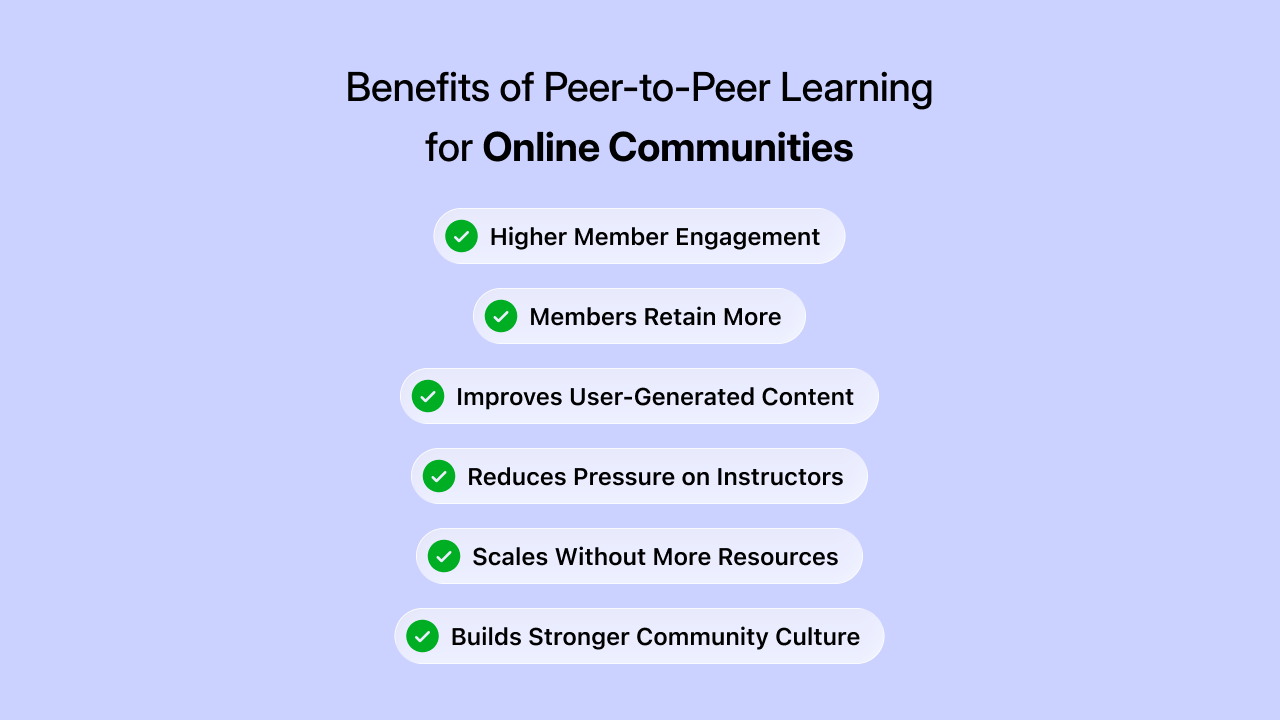
Higher Member Engagement
When members help each other, they interact more. They post questions, share wins, and jump into discussions because they feel responsible to the group.
Members Retain More
According to LinkedIn research, 94% of employees would stay at a company longer if it invested in their career development Whatfix. The same principle applies to communities, members value spaces where they're actively learning and growing.
Improves User-Generated Content
Your members become content creators. Their questions, answers, and shared experiences fill your community with valuable content you didn't have to create yourself.
Reduces Pressure on Instructors
You don't need to answer every question or be present 24/7. Your community becomes partially self-sustaining as members support each other.
Scales Without More Resources
Ten members can support a hundred. A hundred can support a thousand. P2P learning scales beautifully because the resource (your members' knowledge) grows with your community.
Builds Stronger Community Culture
Helping behavior creates culture. When experienced members naturally mentor newcomers, you've built something special, a community that takes care of its own.
Real-World Examples of Peer-to-Peer Learning
Reddit's r/learnprogramming: Casual P2P at Scale
With over 5 million members, r/learnprogramming proves peer learning doesn't need fancy platforms to work. A beginner posts their broken code at midnight. By morning, three developers have explained the bug, one suggested a better approach, and another linked to a helpful tutorial.
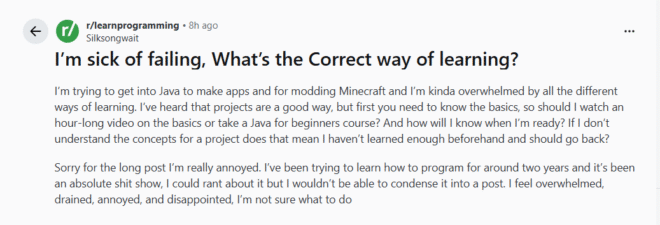
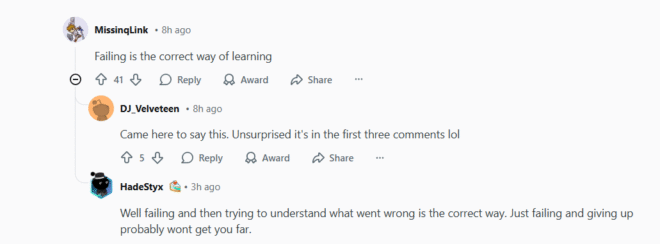
Nobody's getting paid. There's no formal structure. But thousands of programmers level up their skills daily because experienced coders remember being stuck on the same problems. The peer learning loop sustains itself, today's help-seeker becomes tomorrow's helper.
The lesson: Sometimes the best peer learning happens with minimal structure. Create the space, and your community will do the rest.
Building a Second Brain: Cohort and Community Hybrid
Tiago Forte's Building a Second Brain started as a popular blog post, transformed into a cohort-based course, then expanded into a membership where students continue to learn and connect after the cohort finishes.
Here's where it gets interesting: the official course teaches the method, but the real learning happens in member discussions. Students share their note-taking systems, troubleshoot each other's workflows, and adapt the framework for different professions. A designer shows how they organize inspiration. A researcher explains their academic paper system. Everyone learns from everyone.
The community spaces buzz with members teaching methods Tiago never covered in the course. That's peer learning creating value beyond the original curriculum.
The lesson: Your course teaches the framework. Your community lets members teach each other how to apply it to their specific situations.
Coding Bootcamps: Structured Peer Review
In intensive bootcamps like Lambda School or General Assembly, peer code reviews are mandatory. Developers give feedback on each other's code, improving problem-solving and coding skills while building trust within the team.
But it's not just about catching bugs. When a junior developer reviews a senior's code, they learn advanced patterns. When they explain their own code to peers, they crystallize their understanding. Pair programming sessions—two developers, one keyboard—force real-time peer teaching.
The structure matters here. Without dedicated review sessions and clear feedback frameworks, peer learning becomes optional and inconsistent. Bootcamps formalize it because the stakes are high, students need job-ready skills in 12 weeks.
Best Platforms for Peer-to-Peer Learning
The right platform makes or breaks your P2P learning strategy. Here's how the top platforms stack up:
1. BuddyBoss
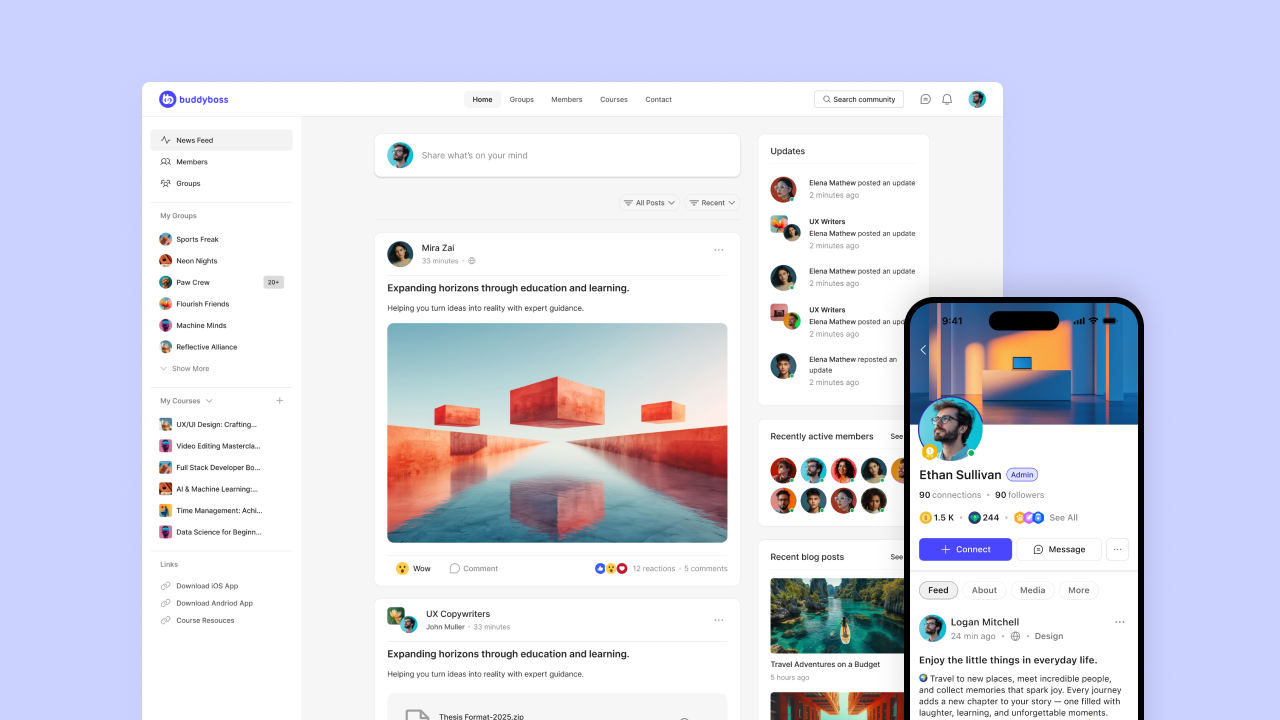
Best for: WordPress users building community-driven learning
BuddyBoss turns WordPress into a powerful social learning platform. You can think of it like Facebook-style profiles, activity feeds, and discussion groups, but completely under your brand.
Key P2P Features:
- Social profiles with member directories
- Discussion groups and forums
- Achievement badges to reward helpful members
- Works with any LMS (LearnDash, LifterLMS, etc.)
The Happy Pear cooking school, BuddyBoss coaching businesses, professional associations, and course creators who want full control over their platform without monthly SaaS fees.
2. Slack
Best for: Corporate peer learning and internal teams
Slack dominates workplace learning with channels for different topics and easy integration with work tools.
Key P2P Features:
- Channels organized by topic or team
- Searchable conversation history
- Integration with work tools
- Threads keep conversations organized
The catch: Not designed for external communities. Better for internal employee learning than customer-facing memberships.
3. Facebook Groups & Reddit
Best for: Open peer-to-peer environments (not monetized courses)
These platforms offer massive reach and zero setup cost, but you don't own the platform or control the experience.
How to Implement Peer-to-Peer Learning
Setting up the platform is easy. Keeping P2P learning alive? That's where most communities struggle.
Start With Clear Structure
Don't just open a forum and hope for the best. Create specific spaces for peer learning:
- Q&A spaces for member questions
- Wins channels where members share successes
- Feedback threads for peer reviews
- Study groups organized by topic or cohort
Model the Behavior You Want
As the community leader, answer questions by tagging knowledgeable members: “Great question! @Member has experience with this—they might have insights.” You're teaching members to look to each other, not just to you.
Recognize Contributors
L&D teams should publicly acknowledge employees who create or share learning content. The same applies to communities. Spotlight helpful members, create contributor badges, or feature “Member of the Month.”
Make It Easy to Find Expertise
Member profiles showing skills, experience, and contributions help members find the right peers to learn from. Circle's member directory makes this simple.
Create Peer Learning Events
Host member-led workshops, AMA sessions, or skill swaps. When members teach formal sessions, it elevates peer learning beyond casual chat.
Don't Force It
Mandatory participation kills intrinsic motivation. Create opportunities, recognize participation, but let P2P learning emerge organically.
Measuring Success
Skip vanity metrics like “number of posts.” Focus on what matters:
- Response time: How quickly do members get helpful answers?
- Response rate: What percentage of questions get answered by peers?
- Member retention: Are members who participate in P2P learning sticking around longer?
- Time to competency: Are new members reaching milestones faster with peer support?
Final Thoughts on Peer to Peer Learning
If you're considering building a community platform, peer-to-peer learning should be at its core, not an afterthought.
The most successful learning communities aren't built around one-way content delivery. They're built around member-to-member interaction, where learners become teachers and everyone contributes value.
Want to see how BuddyBoss can power peer learning in your community? Explore how 30,000+ communities use BuddyBoss to bring members together for learning, connection, and growth.
Discover BuddyBoss Features →