










About tabifolk
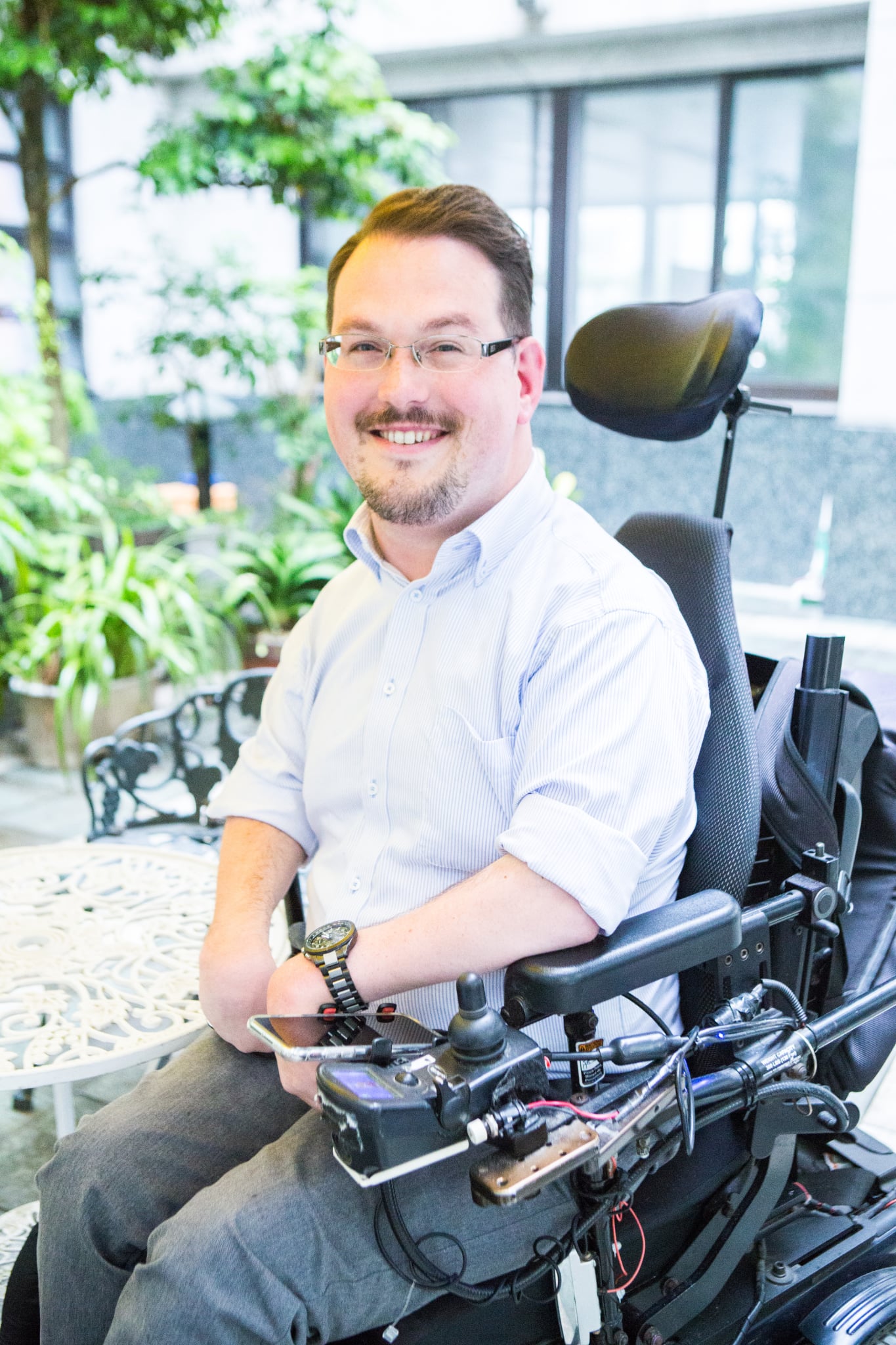
Josh Grisdale grew up on a farm outside a small town in Ontario. He has cerebral palsy, has used a wheelchair since he was three years old, and is quadriplegic. None of that stopped him from moving to Tokyo.
He arrived in 2007 with a suitcase, a power wheelchair, and no guidebook that could tell him whether the hotel had a ramp, whether the train station had an elevator, or whether the restaurant he wanted to visit had a door wide enough to get through. That information simply did not exist in English.
So he started writing it himself.
In 2015, Josh launched Accessible Japan, a website dedicated to filling the gap. He visited tourist sites, evaluated their accessibility, and published detailed guides for disabled travelers. The work earned him recognition from the Japanese government as a “Friend of Japan,” a Citizen of the Year Award from Citizen Watch in 2018, and features in BBC News, NHK World, and Nippon.com. He became a Japanese citizen in 2016.
But the more he wrote, the more he realised something. His experience as a wheelchair user was one perspective. A blind traveler would need completely different information. So would a parent traveling with a special-needs child, or someone with a balance disorder, or a traveler transporting medical equipment across borders.
One person couldn’t cover all of that. A community could.
In 2024, Josh founded tabiLabs Inc. in Tokyo and launched tabifolk: a global accessible travel community built on BuddyBoss.
Challenges
Challenge #1: Every disabled traveler was solving the same problems alone
When Josh first moved to Japan, there was almost no English-language information about accessibility. Guidebooks covered temples and train schedules. They did not cover whether Sensoji Temple had an elevator (it does, and it is designed to match the building’s historic character) or whether the gravel paths at Meiji Shrine would stop a wheelchair in its tracks (they did, until Josh wrote about it and ramps were installed within two months).
“I started the website because of the limited information on accessibility in Japan in English,” Josh explained. “I don’t want people to give up their dream of visiting Japan because they think it’s not accessible.”
The problem was not limited to Japan. Across the world, disabled travelers were asking the same questions in isolation. Can I get through the airport with this equipment? Is that hotel really accessible, or do they just have a ground-floor room and call it “accessible”? Which airlines actually handle wheelchairs without damaging them?
The answers existed. They were locked inside the heads of people who had already made the trip.
Challenge #2: A content website can’t capture the diversity of disability
Accessible Japan became an award-winning resource. It won “Best Website for Accessible Travel” at the 2025 Travel for Every Body Awards. Josh was invited to sit on Japan’s MLITT transportation accessibility review board and to judge accessible tourism grants for the Japan Tourism Agency.
But he kept running into the same limitation. His website reflected his experience: a power wheelchair user navigating Japan. It could not speak to the blind traveler arriving in Barcelona, the family flying with a child who needs sensory-friendly spaces, or the amputee researching beach accessibility in Thailand.
“At some point, if everybody lives long enough, they’re likely going to be disabled in some way,” Josh noted. Accessibility is not a niche concern. It is a universal one. And the only way to address it at scale was to let people share their own lived experience.
He needed more than a website. He needed a platform where the community itself became the resource.
“It is through community that the world is accessible.”
Josh Grisdale, Founder, tabifolk
Solutions
Solution #1: tabifolk as a global accessible travel community
Josh built tabifolk on BuddyBoss, creating a dedicated platform where travelers with disabilities, their families, and allies connect around real experiences rather than marketing claims.
The platform is organised around two types of groups. Destination groups cover countries and regions worldwide: Japan, the UK, Australia, Southeast Asia, and dozens more. Theme groups address specific travel challenges: flying with a disability, accessible cruises, sensory-friendly travel, traveling with medical equipment, and special-needs family travel.
Members do not just post questions and wait. They become local concierges, welcoming visitors to their cities with firsthand knowledge that no guidebook could compile. Someone planning a trip to Tokyo can connect directly with a wheelchair user who lives there. A family visiting London can ask another family who has already navigated the Tube with a special-needs child.
“We created tabifolk to fill in the gaps in accessible travel information through personal experiences while also making new connections worldwide,” Josh said.
The result is a living, breathing resource that grows with every member who joins. Every question asked, every trip documented, every tip shared makes the platform more valuable for the next traveler.
Solution #2: A mobile app that travels with you
Accessible travel questions do not wait until you are sitting at a desk. They come up at the airport gate, in the hotel lobby, at the train station. Josh needed the community to be available wherever travelers were.
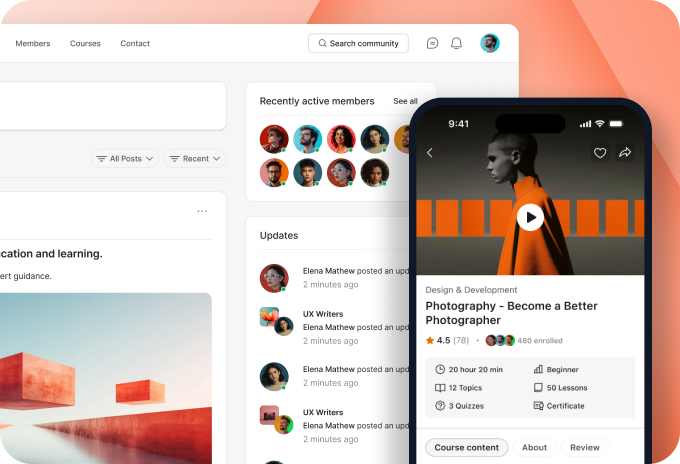
tabifolk’s mobile app, built on BuddyBoss and available free on iOS and Android, puts the entire community in members’ pockets. Travelers can ask questions in real time, share photos of accessible (or inaccessible) locations, and connect with other members while on the go.
The app is privacy-first. No data is collected from users. For a community built around trust, that matters. Members share vulnerable, personal information about their disabilities and travel needs. The platform has to earn that trust every day.
Conclusion
Josh Grisdale’s review of Meiji Shrine led to accessibility ramps being installed within two months. His website won an international award. The Japanese government put him on their transportation advisory board. BBC and NHK told his story.
But the most important thing he built is not a website or an award. It is a community where a disabled traveler does not have to figure things out alone.
tabifolk runs entirely on BuddyBoss: community groups, direct messaging, member profiles, activity feeds, and a white-label mobile app. The platform proves that the most powerful accessibility tool is not a ramp or an elevator. It is other people who have been there before you and are willing to share what they know.
“Coming to Japan actually meant a lot of freedom for me,” Josh said. “My dream now is that more and more people find Japan accessible and exhilarating as I have.”
tabifolk is how that dream scales.
Tech Stack
- BuddyBoss Theme
- BuddyBoss Platform
- BuddyBoss App
- Advanced Ads
- GamiPress
- AutomatorWP