













You’ve decided to create a membership site. You know you need different levels. But now you’re staring at a blank screen wondering what actually goes in each tier?
Most people default to the standard three-tier setup. Free, Pro, Premium. Done.
But here’s the thing: copying that template without thinking through the strategy behind it is one of the fastest ways to confuse potential members and leave money on the table.
I get it. Figuring out membership levels is harder than it looks.
BuddyBoss has helped thousands of creators launch courses, communities, and coaching programs. They’ve seen what works. They’ve also seen what doesn’t, like sites with five tiers that end up merging into two, or free levels so generous that nobody ever upgrades.
That’s why I’ve put together this guide.
In this, you’ll learn how to structure membership levels for courses, communities, and coaching businesses. I’ll cover naming ideas that actually make sense for your audience. And I’ll walk through the common mistakes that trip people up.
Whether you’re starting fresh or rethinking a setup that isn’t converting, this guide will help you get it right.
Let’s dive in.
What Are Membership Levels
Membership levels are different tiers of access you offer to members. Think of them as packages. Each one comes with its own set of benefits, content, and price.
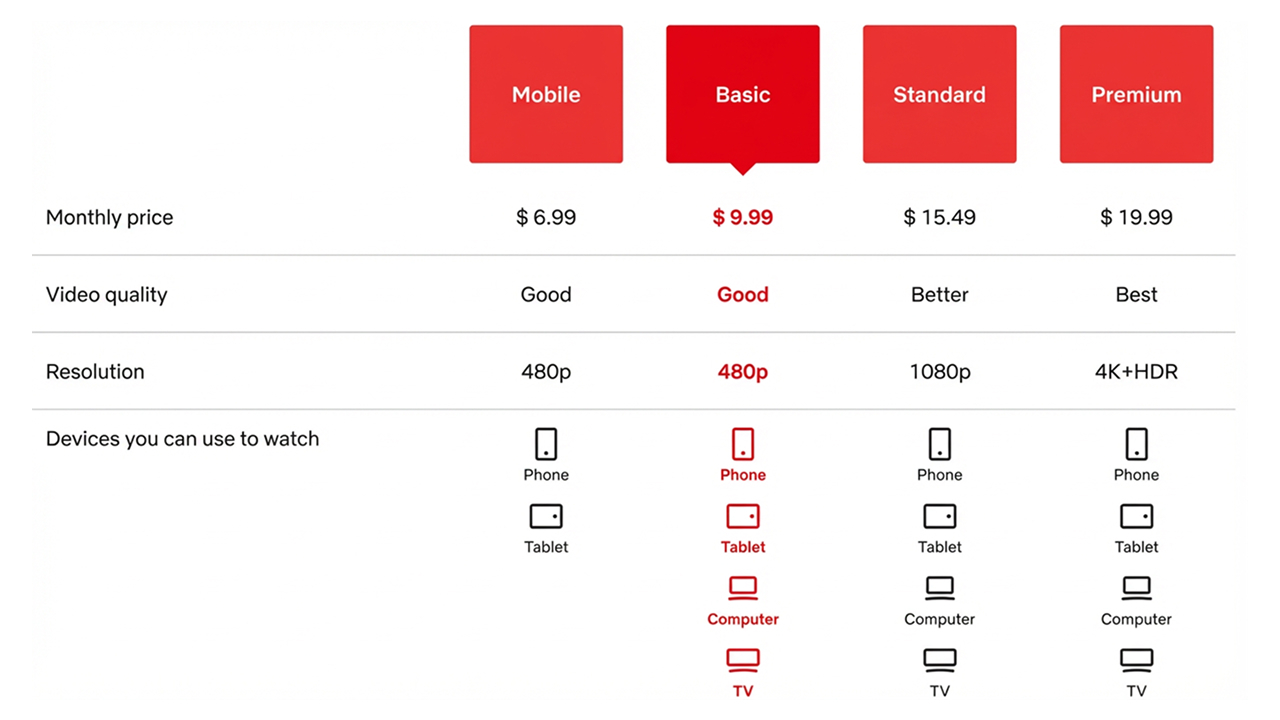
You see this everywhere. Netflix has Standard and Premium. Spotify has Individual, Duo, and Family. Your gym probably has basic and VIP options.
The idea is simple: not everyone wants the same thing or has the same budget. Some people want full access to everything. Others just want to dip their toes in. Membership levels let you serve both.
For course creators, this might mean offering a self-paced option and a live cohort option. For communities, it could be free members who can browse and paid members who can participate. For coaches, it might be group access versus 1:1 time.
The structure you choose shapes how people experience your membership. It also affects how much they pay, how long they stay, and whether they upgrade over time.
What Makes Membership Levels Work
Before you pick names or set prices, you need to understand what each tier is actually supposed to do.
Membership levels aren’t just pricing options. Each one has a job.
The three jobs your tiers need to do
Most membership sites that work well have three types of levels: entry, core, and premium.
You don’t need all three. But knowing what each one does helps you figure out what belongs where.
Entry tier: This one is about reducing friction. It lets people try your content or community without a big commitment. Could be free. Could be a low-cost trial. The goal here isn’t revenue. It’s building trust and growing your list.
Core tier: This is your main offer. It’s where most of your members should land. For a course, it’s full access to the content. For a community, it’s being part of the conversation, attending events, and connecting with other members.
Price this based on the value you deliver, not what feels “safe” or what competitors charge.
Premium tier: This is for members who want more. More access. More support. More of you. Think group calls, 1:1 time, bonus content, or priority support.
But here’s the key, premium should enhance the core experience, not complete it. If your best stuff is locked in the top tier, your core offer will feel hollow.
Why adding more tiers usually backfires
It’s tempting to add a fourth or fifth tier. More options means more flexibility, right?
Not quite.
Too many choices overwhelm people. When someone lands on your pricing page and sees five similar-sounding options, they don’t pick faster. They leave.
There’s also the clarity problem. The more tiers you have, the harder it is to explain why each one is different. If your “Plus” tier costs more than “Pro” but less than “Premium,” people will wonder what they’re actually paying for.
Three tiers work because they match how people naturally make decisions: a budget option, a standard option, and a premium option. Simple.
The upgrade trigger: why people actually move up
Here’s a question most membership creators skip: Why would someone upgrade from one level to the next?
Each tier needs a clear upgrade trigger. Something that makes a member think, “Okay, I need the next level.”
For a course, the trigger might be wanting live feedback instead of just watching videos. For a community, it could be access to a smaller group or direct contact with you. For coaching, it’s moving from group support to something more personal.
If you can’t explain why someone would upgrade, your tiers need work.
This also protects you from a common mistake: giving away too much at the entry level. If free members get almost everything, there’s no reason to pay. They’ll stay free forever.
That might be fine for building an audience. But it won’t pay the bills.
12 Ways to Name Your Membership Levels
- Price or Term-Based Names
- Access-Based Names
- Status or Prestige-Based Names
- Audience-Based Names
- Outcome-Based Names
- Supporter or Patron-Based Names
- Progression-Based Names
- Content Delivery-Based Names
- Interest or Topic-Based Names
- Branded or Thematic Names
- Role-Based Names
- Industry-Specific Names
1. Price or Term-Based Names
This is the most straightforward approach. You name your levels based on how much they cost or how long they last.
These names are simple and clear. People know exactly what they’re signing up for without any guesswork.
This works best when you’re selling one core offer at different billing cycles. You’re not differentiating by features or access. You’re just giving people flexibility in how they pay.
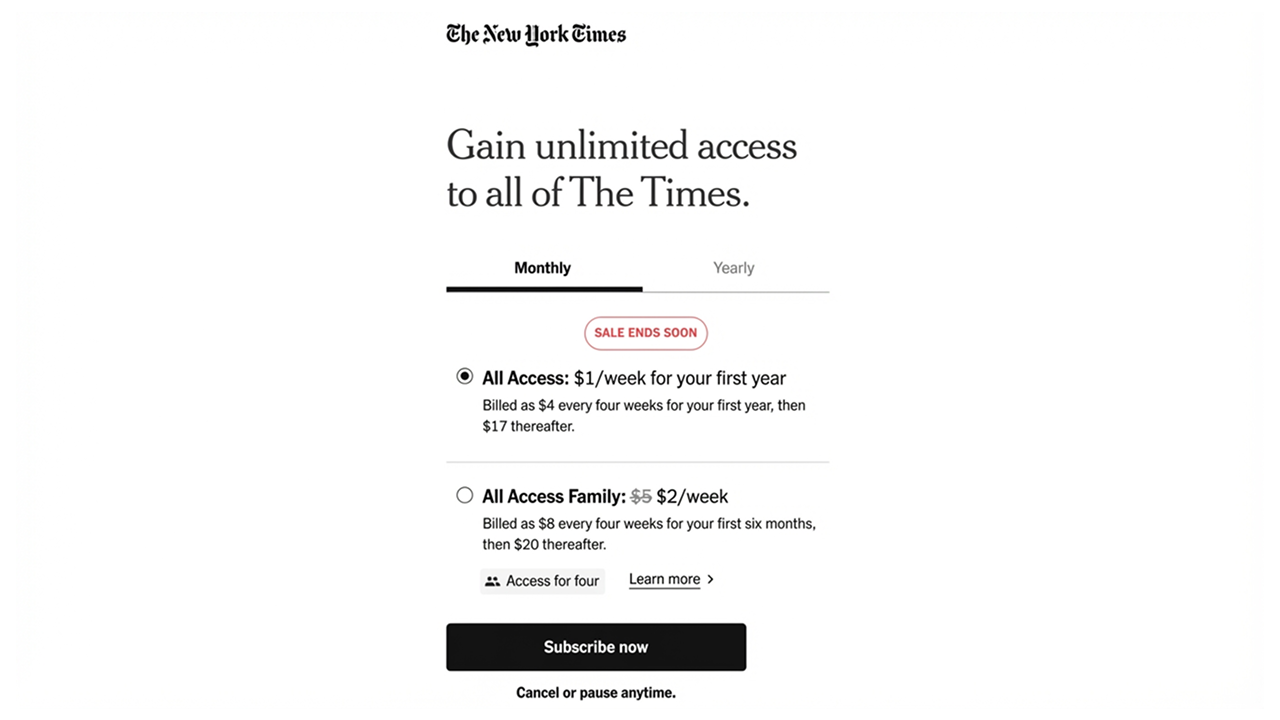
Example: The New York Times uses this approach for their digital subscription. They offer Monthly and Annual options. The product is identical, but annual subscribers get a discount for paying upfront.
When to use it: You have one membership offer and want to encourage longer commitments with discounts.
Name Ideas: Monthly, Quarterly, Annual, Lifetime, Pay-As-You-Go, Weekly
2. Access-Based Names
This is probably the most common approach. You name your levels based on how much access someone gets.
Everyone understands this structure instantly. Basic means less stuff. Premium means more stuff. There’s no learning curve for your audience.
The psychology here is simple. People naturally assume higher tiers have more value because the names signal a clear hierarchy. Your basic tier might have limited courses while premium unlocks everything. Or your pro tier adds bonus resources and templates that aren’t available elsewhere.
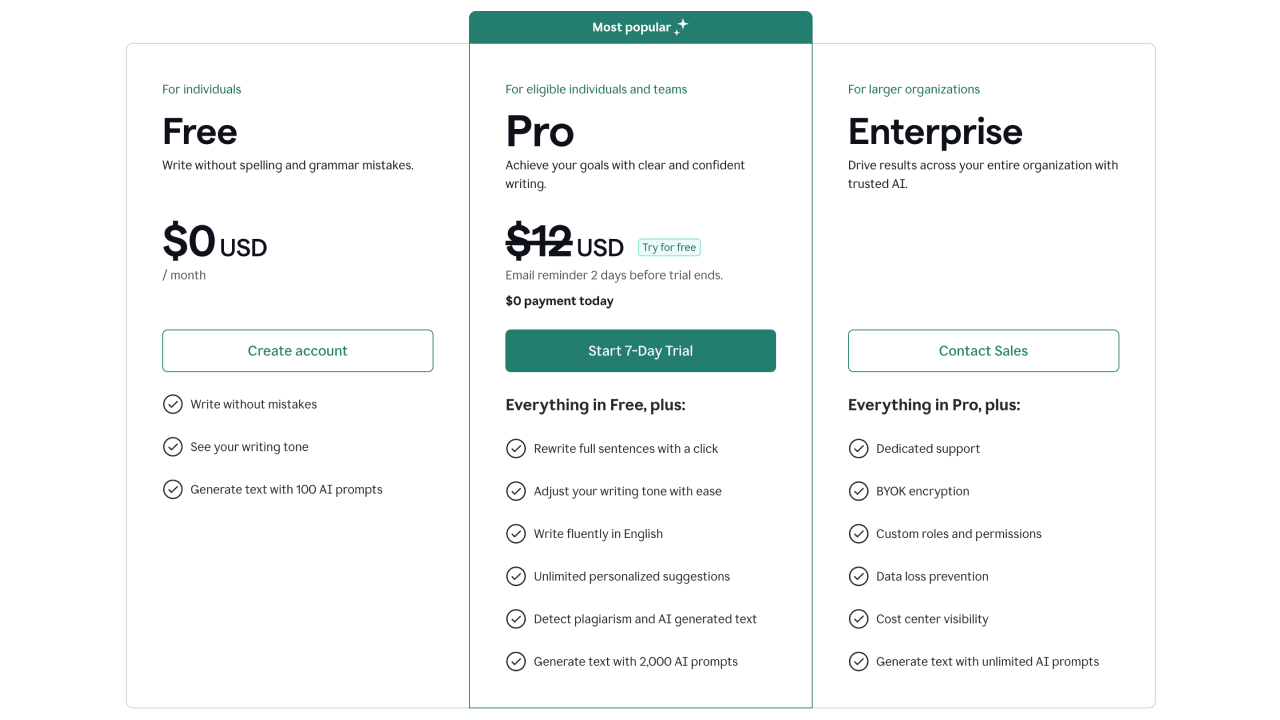
Example: Grammarly uses Free, Premium, and Business tiers. Free gives you basic spelling and grammar checks. Premium adds advanced suggestions, tone detection, and plagiarism checking. Business adds team features on top of everything else. The names instantly tell you where you stand in terms of access.
When to use it: Your tiers differ mainly by how much content, features, or tools members get access to.
Name Ideas: Free, Basic, Standard, Pro, Premium, Plus, Unlimited, Full Access, All-In, Complete
3. Status or Prestige-Based Names
This is the classic tier naming convention. You use words that signal increasing levels of prestige and exclusivity.
These names tap into our desire for status. Nobody wants to stay at Bronze level forever when Gold and Platinum exist. The names create an aspirational pull that motivates members to upgrade over time.
Credit card companies pioneered this approach and it’s now used across dozens of industries. The downside is that these names are everywhere, so they’re recognizable but not particularly memorable. They also say nothing about what’s actually included in each tier.
Example: American Express built their entire brand around this naming structure. They offer Green, Gold, Platinum, and the invite-only Centurion (Black) card. Each level signals increasing prestige and comes with benefits that match the elevated status.

When to use it: You want a universally understood hierarchy and your brand leans toward premium or luxury positioning.
Name Ideas: Bronze, Silver, Gold, Platinum, Diamond, Elite, VIP, Executive, Premier, Exclusive
4. Audience-Based Names
Instead of naming what people get, you name who the tier is for.
This approach works when different types of people have genuinely different needs. A student doesn’t need the same features as a business team. A solo creator doesn’t need enterprise-level tools. The names help people self-select into the right tier without reading through feature lists.
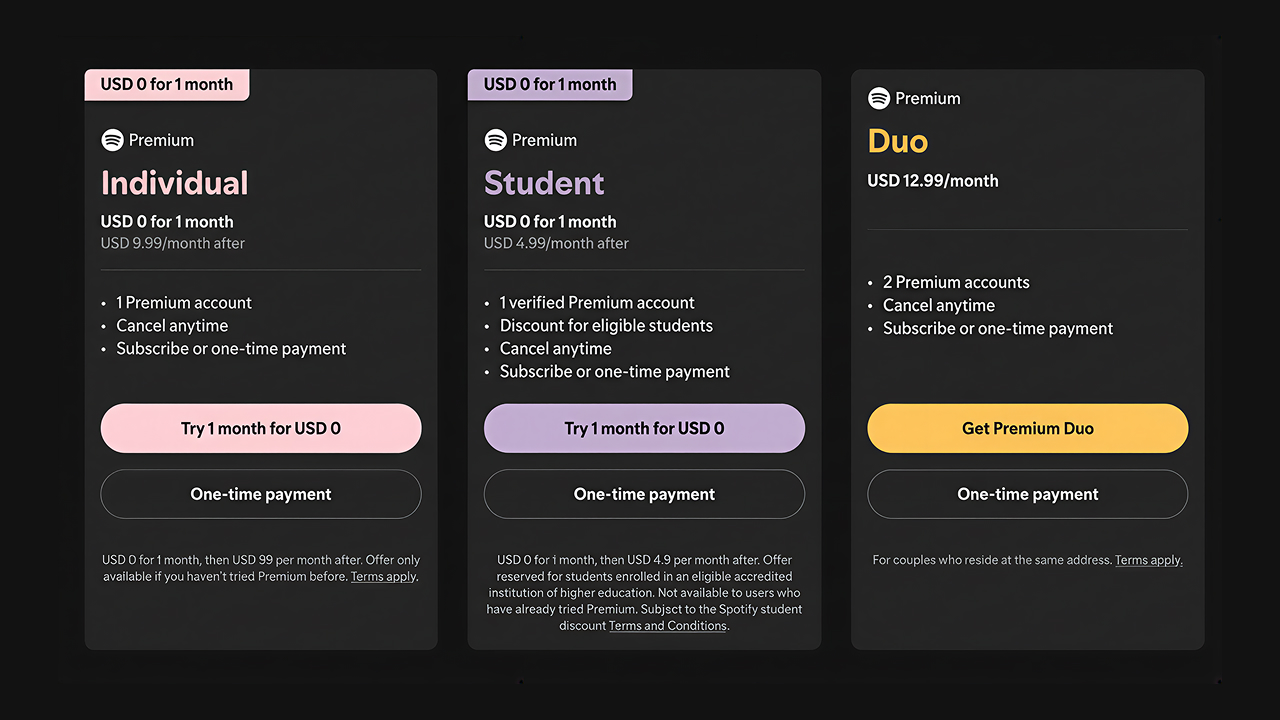
This approach also lets you customize pricing for different segments. Students get discounts. Enterprise clients pay more. Everyone feels like they’re getting a fair deal because the tier was designed specifically for them.
Example: Spotify nails this approach with their Individual, Duo, Family, and Student plans. Each name speaks directly to a different life situation. You see the name and immediately know if it’s meant for you. A college student spots the Student plan and signs up without hesitation.
When to use it: You serve distinct audience segments with different needs, budgets, or use cases.
Name Ideas: Student, Individual, Personal, Family, Duo, Team, Business, Agency, Enterprise, Freelancer, Creator, Startup
5. Outcome-Based Names
These names focus on what members will achieve rather than what they get access to.
This approach works well for courses and coaching where people are paying for transformation. They don’t just want content or features. They want results. The names signal a journey from where they are now to where they want to be.
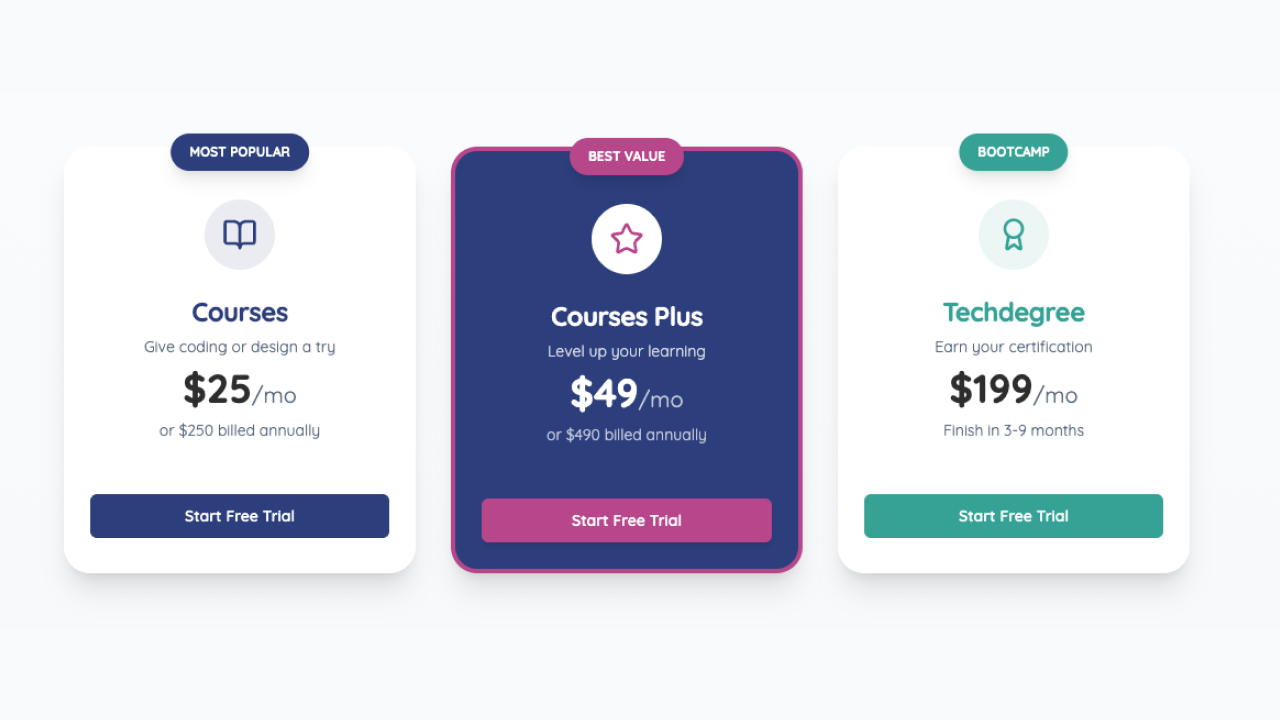
This approach also helps justify price differences. A tier called “Mastery” sounds like it should cost more than “Starter” because the outcome it promises is bigger. Members aren’t comparing features. They’re comparing the results they’ll get.
Example: Treehouse, an online learning platform for coding and design, uses Courses, Courses Plus, and Techdegree as their tier names. Each name signals a bigger commitment to learning and career advancement. You start with Courses for self-paced learning, move to Courses Plus for additional practice tools, and Techdegree represents a full credential program with portfolio projects and slack support.
When to use it: You’re selling transformation, skill-building, or measurable results rather than just access to content.
Name Ideas: Starter, Foundations, Growth, Accelerator, Scale, Mastery, Launch, Thrive, Transform, Results, Breakthrough, Essentials
6. Supporter or Patron-Based Names
These names are for memberships built around a creator, cause, or mission. People aren’t just paying for access. They’re paying because they believe in what you’re doing and want to support it.
This approach creates an emotional connection that goes beyond transactions. Being called a “Champion” feels different than being on the “$20/month plan.” It gives members an identity they can be proud of and talk about with others.
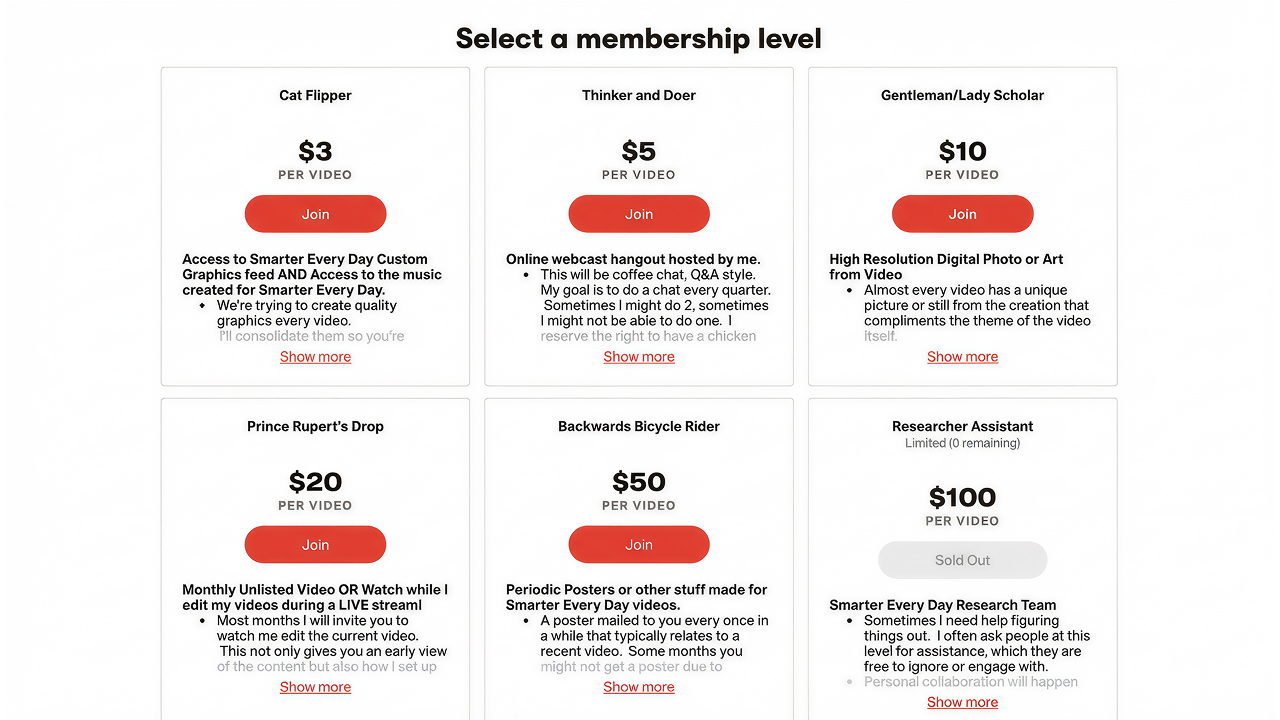
Some creators get really playful with this approach and use inside jokes or references that only their community would understand. This makes supporters feel like true insiders who are part of something special.
Example: The YouTube channel Smarter Every Day uses creative patron-based names on Patreon. Their tiers include Cat Flipper, Backwards Bicycle Rider, and Prince Rupert’s Drop. These names reference popular videos from the channel and make supporters feel like they’re part of an inside joke.
When to use it: You’re a creator, artist, or mission-driven organization where people pay to support your work as much as they pay for what they receive.
Name Ideas: Fan, Supporter, Backer, Patron, Champion, Advocate, Founding Member, Believer, Ambassador, Superfan, Ally, Hero
7. Progression-Based Names
These names create a clear path from beginner to advanced. They tap into our natural desire to level up and achieve milestones.
This approach adds a gamification element to your membership. Members aren’t just paying for access. They’re working toward something. Each level feels like an achievement to unlock, which keeps people engaged and motivated to upgrade.

This works especially well for learning-based memberships where skills build over time. The names create a natural pull toward the next level because nobody wants to stay a beginner forever.
Example: Duolingo uses progression-based naming for their leagues and achievements. Users move from Bronze to Silver to Gold to Platinum and beyond. Each level feels like an accomplishment that motivates learners to keep practicing and advancing.
When to use it: Members progress through skills or knowledge over time, or you want to add gamification elements to encourage engagement and upgrades.
Name Ideas: Beginner, Intermediate, Advanced, Novice, Apprentice, Journeyman, Expert, Master, Rookie, Pro, Veteran, Graduate
8. Content Delivery-Based Names
These names describe how members receive your content rather than how much they get.
This approach is popular with publications and media companies that offer both physical and digital products. The names make the difference between tiers crystal clear. You’re not guessing what each option includes because the delivery method is right there in the name.
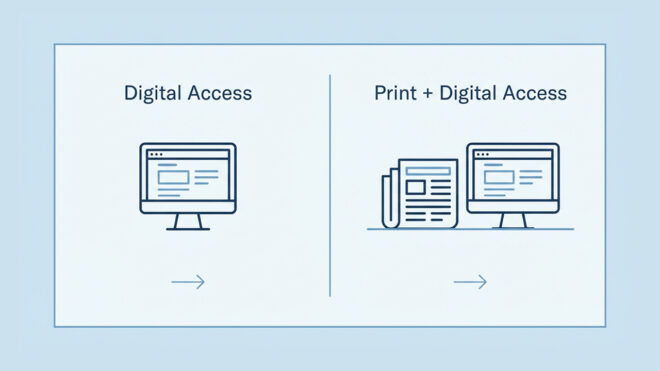
This also works for courses and memberships with different formats. Some people prefer watching videos. Others want live sessions. Some want downloadable resources they can use offline. The names help members pick the format that fits their learning style.
Example: The Wall Street Journal uses this approach with their Digital and Print + Digital subscription options. Readers know exactly what they’re getting. Digital means online access only. Print + Digital means you get the physical newspaper delivered plus full online access.
When to use it: Your tiers differ by how content is delivered rather than how much is included, or you offer both physical and digital products.
Name Ideas: Digital, Print, Print + Digital, Audio, Video, Self-Paced, Live, Hybrid, On-Demand, Download, Streaming, Bundle
9. Interest or Topic-Based Names
These names let members choose based on what they’re interested in rather than how much access they want.
This approach works well when you have content that spans multiple topics or disciplines. Not everyone wants everything. Some people just want yoga, not the full fitness library. Some people only care about marketing, not the entire business curriculum. These names let members pay for exactly what they care about.
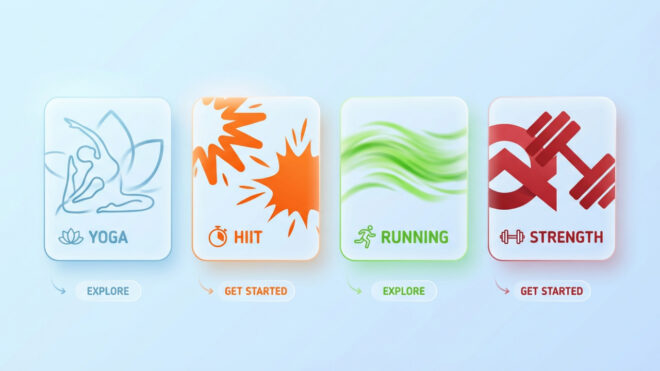
This also helps with conversions because people feel like they’re getting a focused solution rather than a bloated bundle. They’re not paying for stuff they’ll never use.
Example: Daily Burn uses interest-based naming for their fitness memberships. Instead of Basic and Premium, they offer programs focused on specific interests like Yoga, HIIT, Running, and Strength Training. Members self-select based on the workout style they actually want to do.
When to use it: You have content that spans multiple topics, niches, or specializations, and members may only care about specific areas.
Name Ideas: Whatever topics or interests you cover. For a business membership, that might be Marketing, Sales, Operations, and Leadership. For a creative membership, it could be Photography, Design, Writing, and Video.
10. Branded or Thematic Names
These names are unique to your business. They tie into your niche, your personality, or something your audience connects with.
This approach makes your membership feel like its own world. The names stand out because nobody else is using them. They create a stronger brand connection than generic alternatives and give members something memorable to talk about.
The downside is that these names require more explanation. “Premium” is instantly understood by everyone. “Bestseller” needs context. But if your audience gets the theme, the payoff is worth it. Your membership feels more distinctive and less like every other option out there.

Example: Fizzle, a community for online creators, uses thematic names that fit their playful brand. Instead of Basic and Pro, they’ve built their entire experience around the idea of helping people start and grow businesses. Even their brand name “Fizzle” plays on the fear of failure that entrepreneurs face, making the whole experience feel cohesive and memorable.
When to use it: You want to stand out from competitors, have a strong brand voice, or there’s an obvious theme that fits your niche perfectly.
Name Ideas: Whatever fits your world. A photography membership might use Snapshot, Portrait, and Gallery. A writing community could use Draft, Manuscript, and Bestseller. A coffee subscription might go with Single Shot, Double Shot, and Triple Shot.
11. Role-Based Names
These names are based on the role members play within your community platform.
This approach works well when members contribute in different ways or have different responsibilities. Some people just want to consume content. Others want to create and share their own work. Some want to lead discussions or mentor others. The names reflect what members actually do, not just what they get access to.
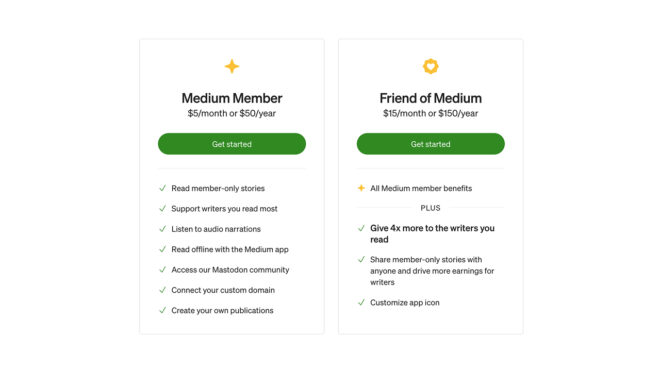
This approach also creates a sense of purpose. Being called a “Creator” or “Leader” feels more meaningful than being on a “Plus” plan. Members see themselves as active participants rather than passive subscribers.
Example: Medium uses role-based naming with their Member and Writer programs. Members pay to read unlimited articles. Writers publish content and earn money based on engagement. The names clearly describe what each person does on the platform and what they’re there for.
When to use it: Your members contribute in different ways, have different responsibilities, or you want to emphasize participation over consumption.
Name Ideas: Reader, Contributor, Creator, Editor, Leader, Mentor, Coach, Guide, Moderator, Curator, Publisher, Member
12. Industry-Specific Names
These names borrow language and titles directly from your niche or industry.
This approach works because the names already mean something to your audience. You don’t have to explain what they represent. People in that industry instantly understand the hierarchy and what each level implies. It also makes your membership feel like it was built specifically for them.
This creates an immediate sense of belonging. When a real estate agent sees tiers called Agent, Broker, and Mogul, they know this membership speaks their language. It feels like home rather than a generic product trying to fit everyone.
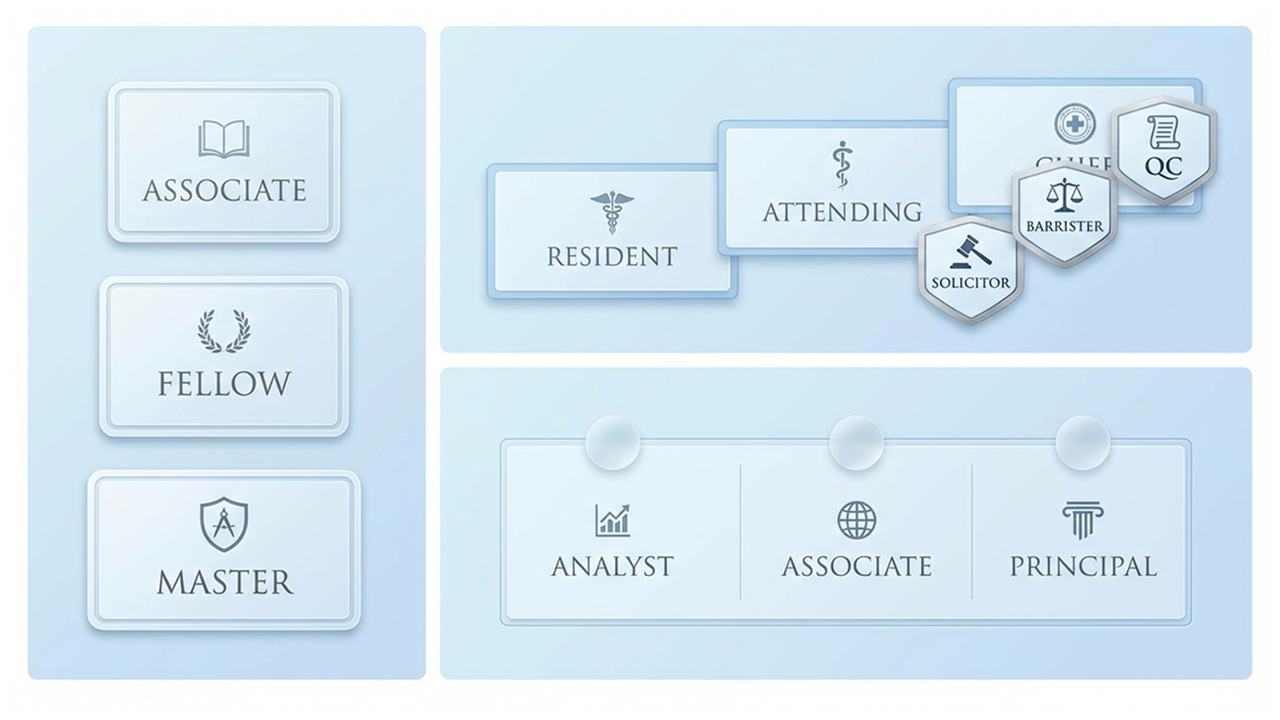
Example: The Institute of Videography uses industry-specific naming with their membership tiers. They offer Ordinary Member, Master, Fellow, and Corporate Member. These titles carry weight within the videography profession and signal real credibility. Members even take tests to advance through the levels, which adds legitimacy to each title.
When to use it: Your membership serves a specific profession or industry with established titles, hierarchies, or terminology that your audience already recognizes and respects.
Name Ideas: Whatever titles exist in your industry. For real estate, that might be Agent, Broker, and Investor. For writers, it could be Writer, Author, and Bestseller. For developers, it might be Junior, Senior, and Architect.
How to Decide What Goes in Each Level
Naming your levels is the easy part. The harder question is figuring out what actually belongs in each tier.
Get this wrong and you’ll end up with tiers that confuse people, levels that cannibalize each other, or a free tier so generous that nobody ever upgrades.
Here’s a framework to help you think through it.
Start With Your Core Offer
Before you build out multiple tiers, get clear on your main offer. What’s the primary thing people are paying for?
For a course, it’s the curriculum. For a community, it’s access to the group and conversations. For coaching, it’s your time and expertise.
This becomes your middle tier. Your core offer at a fair price. Everything else builds around it. Your lower tier offers a taste of this. Your higher tier enhances it.
If you can’t clearly describe your core offer in one sentence, you’re not ready to create multiple tiers yet.
Map Features to Member Outcomes
Don’t just list features and scatter them across tiers randomly. Instead, think about what outcomes each feature helps members achieve.
Ask yourself: What problem does this feature solve? Who needs it most? At what stage of their journey does it become valuable?
A beginner might need foundational content and community support. An intermediate member might need feedback and accountability. An advanced member might need direct access to you or a smaller peer group.
Put features in the tier where they’ll create the most value for members at that stage.
Create Clear Gaps Between Tiers
Each tier should feel meaningfully different from the others. If someone can’t tell why your middle tier costs more than your entry tier, you have a problem.
The gap should be obvious without reading the fine print. Entry tier gives you X. The middle tier gives you X plus Y. The top tier gives you everything plus Z.
A good test: Can you explain the difference between tiers in one sentence each? If you need a paragraph to justify the price jump, the gap isn’t clear enough.
Protect Your Upgrade Path
Every tier should leave members wanting something they can only get by upgrading.
This doesn’t mean being stingy. Your entry tier should still deliver real value. But it should also create a natural desire for more. Maybe they finish the free module and want the rest of the course or maybe they enjoy the community but want direct access to you.
Think about what will trigger the upgrade. Then make sure that trigger exists at every level except your top tier.
Avoid These Common Mistakes
Putting too much in your free tier. If free members get almost everything, there’s no reason to pay. Be generous but strategic.
Creating tiers that compete with each other. If your middle and top tier are too similar, people will just pick the cheaper one. Make sure each tier has a clear reason to exist.
Adding tiers just to have more options. Three tiers is not a magic number. Two can work great. Four might make sense for your business. Add tiers only when there’s a genuine need, not because everyone else has three.
Hiding essential features in top tiers. If your core offer feels incomplete without features locked in a higher tier, members will feel tricked. Your middle tier should feel whole on its own.
Examples in the Wild
Let’s look at some real membership sites and how they’ve structured their levels. These examples come from different industries and business models, so you can see how the principles we’ve covered play out in practice.
Masterclass
Masterclass is an online learning platform featuring courses taught by celebrities and experts in their fields.
They keep their structure simple with just two tiers: Individual and Duo. Both give you access to the same content. The only difference is how many people can use the account.
This works because they don’t overcomplicate things. The content is the product, so they don’t need multiple access levels. The naming is audience-based and instantly clear. You know exactly what you’re getting. If your content is the same for everyone, you don’t need complex tiers. Simple pricing based on the number of users can be enough.
Peloton
Visit site- https://www.onepeloton.com/
Peloton sells connected fitness equipment and a subscription service for workout classes.
They offer two membership tiers: App Membership and All-Access Membership. The App Membership gives you access to classes on any device. The All-Access Membership is for people who own Peloton equipment and unlocks features like real-time metrics and leaderboard tracking.
This works because the tiers are based on what equipment you own, not arbitrary feature limits. Each tier makes sense for a specific type of customer. You’re not paying for features you can’t use. The lesson here is to match your tiers to real differences in how people use your product rather than creating artificial limitations just to have multiple price points.
Patreon Creators
Visit site- https://www.patreon.com/cw/PatreonforCreators
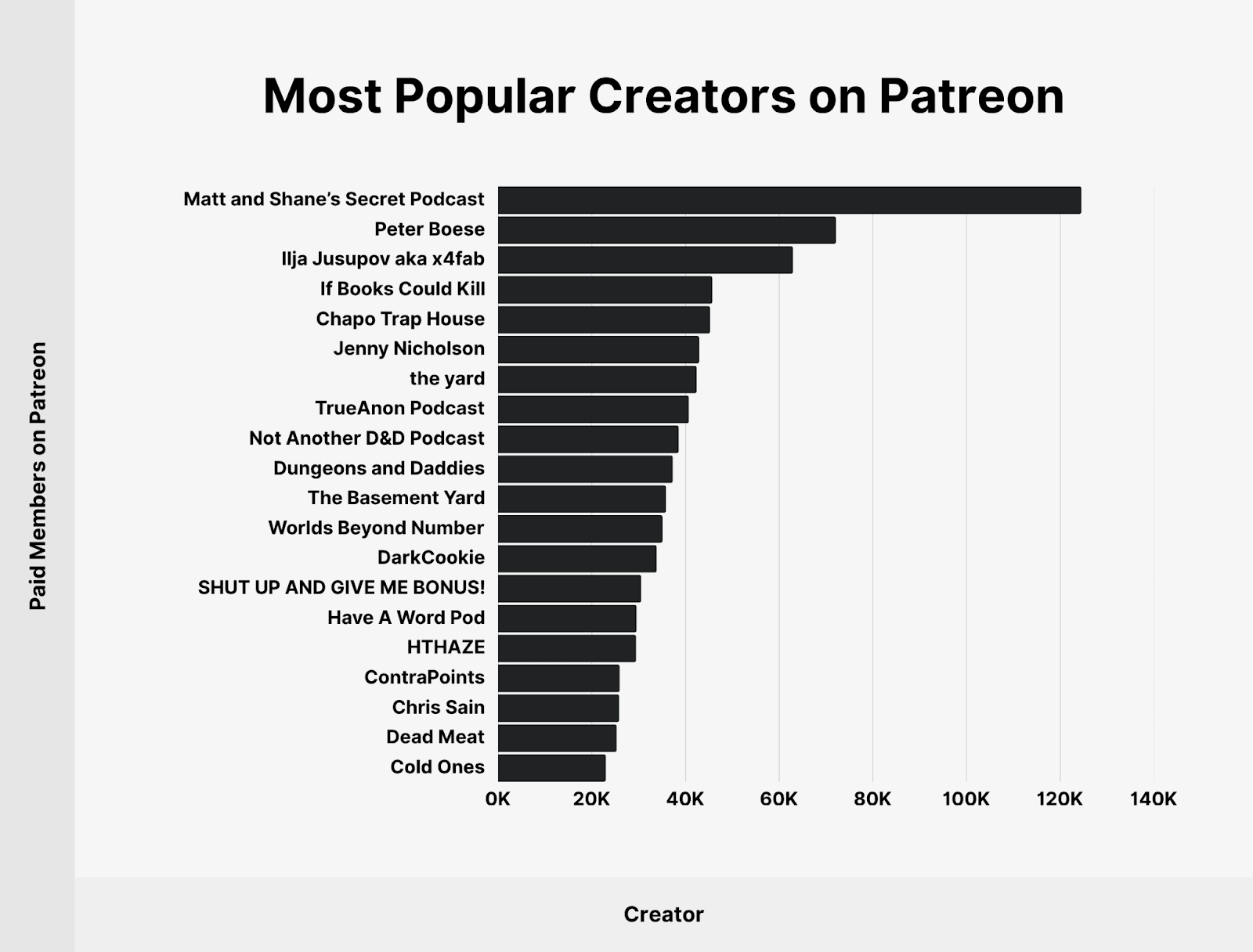
Image Source-backlingo
Patreon lets creators offer membership tiers to their supporters. Each creator sets up their own structure.
One great example is the podcast Crime Junkie. They offer three tiers: Superfan, Obsessed, and Fanatic. Each level offers increasing access to bonus content, early episodes, and exclusive merchandise. The names fit their true crime brand and audience perfectly.
This works because the tier names match the audience’s identity. True crime fans proudly call themselves obsessed or fanatic. The levels offer genuine differences in value, not just token bonuses. When your audience has a strong identity, use names that reflect how they see themselves. It creates emotional connection and makes higher tiers feel aspirational.
Option Alpha
Visit site- https://optionalpha.com/
Option Alpha is a membership site that teaches options trading strategies.
They offer three tiers: Free, Pro, and Elite. The free tier gives access to basic education and tools. Pro unlocks advanced courses, backtesting tools, and community access. Elite adds automation features and priority support.
This works because the tier names are access-based and suggest progression. Free gets you started. Pro makes you serious. Elite puts you at the top. Each level builds on the previous one without making the lower tiers feel incomplete. Access-based names work well when your tiers genuinely offer increasing levels of value and features.
Wrap-Up
The way you structure and name your membership levels matters more than most people think. It’s one of those details that quietly impacts signups, upgrades, and retention.
Start simple. Two or three tiers is enough for most memberships. Pay attention to how your members respond and adjust from there. Your first structure won’t be your last, and that’s perfectly fine.
And if you’re looking for a platform to build your membership site, online course, or community, give BuddyBoss a try. It has everything you need to create membership levels, protect your content, and grow your audience.
