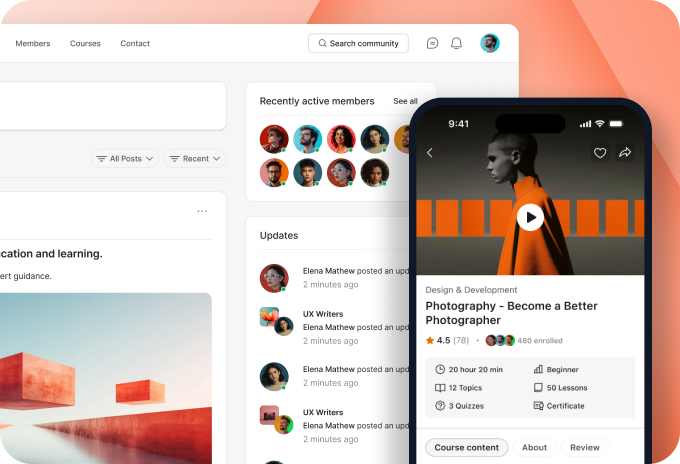
Did you know that nearly 80% of internet users are now part of at least one online community? This blooming digital field has made participation more important than ever.

Active engagement isn’t just nice to have but it’s a must for cultivating loyalty, driving word of mouth marketing and even fueling business growth. Even more, research shows that engaged communities can boost member retention by as much as 50%.

Consider the widely recognized 90-9-1 rule: in most online communities, 90% of members tend to lurk while only about 9% contribute occasionally and a mere 1% drive the majority of conversations.

This staggering fact highlights an immense opportunity—by engaging those silent members, you can transform a quiet group into a buzzing hub of interaction.

Why Engagement Matters on Your Online Community

Just Imagine: logging into your favorite forum or social network and finding it quiet, just a few posts here and there, with little conversation among members. On the other hand, now imagine a vibrant space buzzing with discussions, ideas, and support. The difference is striking, isn’t it?

Engaged communities drive real value, Here’s how:-

It doesn’t matter if you’re a community manager, digital marketer, or brand owner, boosting engagement is necessary to turn a simple group into a thriving, collaborative network.

What Do We Mean By Online Community Engagement

Before we talk about the strategies to boost online community engagement, lets understand what actually online community engagement means and why it's crucial.

What Is Online Community Engagement?

Online community engagement refers to the degree and quality of interactions within a digital community. It’s about more than counting likes and comments. it’s the active participation where members share ideas, ask questions, offer support, and collaborate. Engagement is measured by

Some Benefits Of Community Engagement That Fuels Success

Engagement has far-reaching benefits:

A vibrant online community can become a self-sustaining ecosystem that continuously evolves through the contributions of its members.

Read More

10+ Types Of Online Communities For Networking And Engagement in 2025

Recognizing Common Engagement Challenges

Even the best communities can face hurdles. Here are a few challenges you might encounter:

A. Low Participation or “Lurking”

Most online communities follow the 90-9-1 rule:

Encouraging lurkers to “de-lurk” and participate actively can be challenging but is important for a balanced community.

B. Content Overload

Too much content can overwhelm members, leading to disengagement. It’s important to curate and schedule posts so that your community isn’t flooded with irrelevant updates.

C. Inadequate Moderation

Without clear guidelines and active moderation, conversations can drift off-topic or become negative. A well-moderated space makes members feel safe and respected.

D. Diverse Audience Needs

Your community might have members with varying interests and levels of expertise. responding to everyone can be complex but personalized content to different segments is key to sustained engagement.

Top Strategies to Boost Online Community Engagement

Let’s dig into proven strategies to energize your online community:

Strategy 1: Create a Warm Onboarding Experience

Boost online community engagement

First impressions count. When new members join, guide them with a friendly welcome. Personalized welcome messages can be the one to start with, you can do this by sending a quick note or video greeting. Offer tutorials or FAQs that explain how the community works. You can highlight popular discussion threads or groups that match their interests.

A smooth onboarding process makes new members feel valued from day one and sets the tone for active participation.

Strategy 2: Ask Open-Ended Questions

Questions are a fantastic way to spark conversation. Instead of posting statements, ask:

Open-ended questions invite thoughtful responses and help members feel that their opinions matter. In fact, communities that regularly ask open-ended questions can see up to a 30% boost in participation, as these questions help break down barriers and encourage diverse perspectives, making every member feel that their voice truly matters.

Strategy 3: Leverage User-Generated Content

Encourage members to share their own stories, tips, and creative projects. User-generated content not only enriches your community with diverse perspectives but also builds authenticity and trust. In fact, studies have shown that up to 92% of consumers trust recommendations from their peers, highlighting the powerful influence of genuine member contributions.

Consider running regular contests and challenges—whether weekly or monthly—that reward creative submissions. These initiatives can spark healthy competition, motivate members to participate, and make the community a fun place to showcase talents.

Additionally, consistently spotlight outstanding posts, videos, or artwork from community members. Recognizing these contributions not only boosts individual pride but also inspires others to share their expertise.
Moreover, encourage members to contribute content related to trending topics or current events. This keeps the conversation fresh, relevant, and dynamic.

Strategy 4: Implement Gamification

Boost online Community engagement

Gamification is one of the best ways that can transform routine interactions into engaging experiences. Award badges for milestones like first post, 50 comments, or community hero status. Display top contributors to foster healthy competition.

Allow members to earn points that can be redeemed for exclusive content or perks. Award badges for milestones like the first post, 50 comments, or even achieve community hero status. Display top contributors on leaderboards to foster healthy competition, and allow members to earn points that can be redeemed for exclusive content or perks.

If you create a community platform using BuddyBoss, you'll benefit from its awesome built-in gamification integrations. BuddyBoss easily works with popular plugins like myCred, BadgeOS, and GamiPress, making it simple to set up reward systems that motivate members to participate more actively.

These gamification elements create a fun, competitive atmosphere that not only boosts engagement but also turns everyday interactions into an exciting journey for your community.

Strategy 5: Host Regular Live Events

Boost online community engagement

Live events create real-time connections and add excitement:

Live events not only offer value but also encourage members to engage and interact in a dynamic setting. For more in-depth guidance, check out our dedicated blog on how to host virtual events in your online community, where we share actionable tips and best practices to create unforgettable live experiences.

Learn More

Learn How to Host Virtual Events in Your Online Community

Strategy 6: Encourage Feedback and Act on It

Give feedback to boost online community engagement

Make your community a two-way street! By regularly asking for feedback and then taking action. Use simple tools like polls, surveys, or dedicated suggestion spaces where members can share what they like and what could be improved. When you make changes based on their ideas—whether it's launching a new feature or tweaking a guideline—be sure to let everyone know.

This shows that their opinions truly matter and builds trust over time. By listening and responding, you create a sense of ownership among members and turn your community into a place where everyone feels involved, valued, and eager to help shape its future.

Strategy 7: Build a Culture of Recognition

Celebrating achievements and contributions can truly boost community morale. Regularly feature a “Member of the Month” or highlight inspiring user stories to show appreciation and encourage others to join in. Acknowledge helpful posts and meaningful contributions in your community updates, social media shout-outs, or dedicated recognition threads. Mark important milestones like anniversaries, top posts, or overall community successes. Consider adding fun rewards like digital badges or small prizes.

Research shows that communities actively celebrating member achievements can see engagement rise by up to 25%.
This simple yet effective practice not only fosters a sense of belonging and pride but also motivates members to contribute even more, making your community a supportive and collaborative space.

Strategy 8: Diversify Your Content Formats

content formats to boost online community engagement

Different members engage with different types of content such as

and so much more! Mixing content formats serves various preferences and keeps your community experience fresh and exciting.

Strategy 9: Use Effective Moderation Techniques

A healthy community thrives when it feels safe and respectful for everyone. To create this environment, start by clearly publishing and enforcing community rules to set expectations from the get-go. Actively monitor discussions and address issues promptly, using both trained moderators and trusted community members to help manage the space.

Additionally, provide an easy way for members to flag inappropriate content so that problems are caught early. Studies show that communities with effective moderation not only see less negativity but also experience higher overall engagement.

By reinforcing a culture of mutual respect and ensuring that every member feels secure, you encourage even the shyest voices to participate and contribute. This transparent, proactive approach to moderation creates a welcoming atmosphere that ultimately strengthens your entire community.

Strategy 10: Integrate Collaboration Opportunities

Encouraging members to work together can really bring your community to life. For example, organizing group projects or fun challenges lets members team up and work toward common goals, sparking new friendships and fresh ideas.

Setting up smaller discussion groups for specific interests gives everyone a chance to dive deeper into topics they love. And by providing dedicated networking channels, members can easily share ideas, job leads, or helpful resources. When people collaborate like this, they not only build stronger bonds but also create innovative solutions that benefit the whole community.

Strategy 11: Leverage Analytics to Refine Your Approach

Data is your secret weapon when it comes to boosting community engagement. By tracking key metrics like likes, comments, shares, and overall participation rates, you can gain valuable insights into what resonates with your audience.

Analyze which types of posts, events, or topics drive the most interaction and look for recurring themes in surveys and feedback sessions.

Analytics also help you determine the best times to post and the most effective content formats, allowing you to run A/B tests and refine your strategy continuously. With tools like built-in dashboards or third-party analytics platforms, you can make informed decisions that keep your engagement strategies effective, adaptive, and perfectly aligned with your members’ evolving interests.

Tools and Techniques to Support Engagement

Implementing the right tools can make boosting engagement much easier. Consider these options:

Choose platforms (like Discourse, Buddyboss, Mighty Networks, or Slack) that offer robust features for discussion, moderation, and member recognition.

Use tools such as Google Analytics, built-in platform insights, or third-party software to monitor engagement metrics.

Stay connected with members through newsletters, automated welcome series, and targeted campaigns.

Many platforms like Buddyboss offer add-ons or plugins like BadgeOS, and GamiPress that support badges, leaderboards, and point systems.

Tools like Zoom, StreamYard, or native platform streaming (Facebook Live, YouTube Live) can help you host interactive events.

Real-Life Success Stories: How Engagement Strategies Make a Difference

Seeing what works in practice can be incredibly inspiring. Here are a couple of examples:

Example 1: The Shaw Elite Club

Using BuddyBoss, The Shaw Elite Club has created an exclusive community where members gain access to insights from 4X WSM Champion, Brian Shaw. With a robust website and app, the platform delivers proven programming, exclusive content, and a private social network that helps members level up both their physical and mental strength. This targeted approach has transformed the club into a hub of motivation and engagement for fitness enthusiasts.

Example 2: Jack Canfield’s Transformational Platform

Jack Canfield’s platform uses BuddyBoss to deliver transformational wisdom through engaging courses and community-driven support. By combining inspirational workshops, meditation sessions, and interactive content, the platform has helped thousands of individuals turn dreams into reality. The seamless integration of community features has not only boosted engagement but also empowered users to share their success stories and build meaningful connections.

These examples show that with a mix of personalized experiences, interactive content, and consistent recognition, communities can transform from passive groups into vibrant, active networks.

Building a Thriving Community Together

I Hope these above strategies could help you boost engagement in your community. But do remember that that engagement is not a one time thing, it is a continuous journey. So, review your strategies regularly, seek feedback, and adapt to the evolving needs of your community. When members see that their contributions matter and that they are part of a supportive network, they’re more likely to stick around, collaborate, and even advocate for your brand.

Join the conversation in the comments below—what strategies have worked for you? And if you found these tips helpful, share this post with fellow community managers and digital marketers.

With low startup costs and the chance to reach customers worldwide, digital products let you sell your work without the limits of a traditional store.

Just imagine creating an online course, eBook, or software tool just once and earning money while you sleep – all while reaching people from New York to Dhaka.

Digital products give creative entrepreneurs and business owners the freedom to try new ideas and grow their brands without worrying about physical inventory or shipping. As technology improves and consumer habits change, more people appreciate the convenience and immediate access they offer.

Low startup costs, high profile margins, and creative freedom are driving a steady rise in digital product sales.

If you have something similar in mind then stay tuned as I’ll explain what digital products are, why they’re so popular, and what digital products to sell. I’ll share simple tips, useful facts, and step by step advice to help you turn your ideas into a successful online business. Ready?

What Are Digital Products?

Digital products are intangible goods that can be sold, delivered, and used electronically. Unlike physical items, these products require no inventory, manufacturing, or shipping– which means you can focus on creativity and let the profits roll in. Examples of digital products include:

Digital products offer the advantage of being delivered instantly to your customers with a few clicks, making them an ideal choice for those looking to start selling digital products online quickly.

Digital vs Physical Products

Virtual/digital products and physical products differ in several key ways:

Digital Products

Physical Products

How Selling Digital Products Online Can Propel Your Growth

Selling digital products online opens up a world of opportunity for entrepreneurs, transforming small ideas into scalable revenue streams. By eliminating the need for physical inventory and shipping, you can focus on creating high-quality content that reaches a global audience. Here are several compelling reasons to dive into the world of digital products and why sell them online:

Scalability
Once your digital product is created, you can sell it an unlimited number of times without additional production costs. There’s no need to worry about running out of stock or managing a large-scale manufacturing process. This scalability allows you to effortlessly expand your customer base and tap into global markets, turning a single creation into a continuous revenue stream.

High Profit Margins
Digital products come with minimal overhead expenses—there’s no need for materials, manufacturing, storage, or shipping. Almost all the revenue generated contributes directly to your profit. This financial efficiency lets you reinvest in your business, improve your products, and boost marketing efforts, making digital products a highly attractive option compared to their physical counterparts.

Flexibility
Selling digital products online gives you the freedom to work from anywhere at any time. Whether you’re a full-time entrepreneur or juggling a side hustle, your business isn’t tied down by physical locations. You can operate from home, a coffee shop, or while traveling, and your store remains open 24/7, allowing you to balance work and life seamlessly while continuously generating income.

Low Barrier to Entry
Digital products require significantly less upfront investment. With affordable tools and platforms available today, you can start creating and selling with minimal risk. It can be an eBook, online course, or software tool, you can leverage your skills to build valuable products without needing a large financial outlay, making the digital space accessible for aspiring entrepreneurs.

Instant Delivery and Global Reach
Digital products can be delivered immediately upon purchase, giving customers instant access to what they need. This speed enhances customer satisfaction and removes geographical barriers—your online course or eBook can reach someone in New York as easily as in New Delhi, opening up vast opportunities for global sales.

Environmentally Friendly
Without the need for physical materials or shipping, digital products have a lower environmental impact. This eco-friendly aspect appeals to today’s environmentally conscious consumers, further enhancing the appeal of your digital offerings.

Easy Updates and Continuous Improvement
Digital products are easy to update and improve based on customer feedback. Unlike physical products that may require costly revisions, you can quickly make changes to keep your products current and valuable, ensuring they remain competitive in a fast-evolving market.

6 Easy Steps to Sell Your Digital Products Online

Follow these simple steps to transform your digital product ideas into a profitable online business. Our concise guide walks you through creating, marketing, and scaling your digital offerings with ease.

1. Choosing the Right Digital Product to Sell

Choosing the right digital product to sell

Before diving in, it’s essential to decide what digital products to sell that aligns with your skills, interests, and market demand. Here’s how you can identify the right digital product:

Some Digital Product Ideas

Explore a variety of digital product ideas that let you turn your creativity into revenue:-

eBooks and Audiobooks:

Digital products:- eBooks and Audiobooks

Create informative guides, how-to manuals, or stories in digital formats. eBooks and audiobooks are relatively easy to produce and can address niche topics that cater to a dedicated audience.

Market Value of eBooks and Audiobooks:- The global eBook market, valued at around $18 billion in 2020, is projected to grow to nearly $24 billion by 2025. Audiobooks, which have experienced a remarkable surge with a CAGR of approximately 26% since 2021, provide an excellent opportunity for creators to reach niche audiences. These formats are relatively easy to produce and update

Online Courses and Webinars:

Online  courses and webinars

Package your expertise into video lessons, step-by-step courses, or live webinars. Whether it’s teaching a skill, a hobby, or professional knowledge, online courses can be highly engaging and scalable.

Market Value of Online Courses and Webinars:- The e-learning market was valued at about $250 billion in 2020 and is expected to exceed $400 billion by 2026. With learners increasingly seeking flexible, remote education, online courses offer scalability and high engagement.

Build Your Course

Build Your Online Course with BuddyBoss And Turn Your Knowledge into Revenue

Software and Mobile Apps:

Develop software tools, mobile applications, or plugins that solve specific problems. SaaS products are a great way to earn recurring revenue since you can charge monthly or yearly subscriptions once the tool is built.

Market Value of Software and Mobile Apps:- The Software as a Service (SaaS) market, for instance, was valued at approximately $145 billion in 2021 and is forecasted to grow at an annual rate of around 11–12%, potentially surpassing $300 billion by 2026. Recurring revenue models, such as monthly or yearly subscriptions, allow you to create a steady income while continuously enhancing your product’s features and user experience.

Digital Art and Design Templates:

digital art and design templates

Sell graphic designs, illustrations, fonts, icons, or templates for social media posts, presentations, and websites. Platforms like Canva make it easier than ever to create professional-quality designs that other businesses or creatives can use.

Market Value of Digital Art and Design Templates:- The broader graphic design market has been steadily growing, and DIY platforms like Canva and Adobe Spark have democratized design creation. This sector is expected to expand with a CAGR of around 7–8%, as businesses and creatives increasingly seek affordable, professional-quality designs that can be customized to look alike your brand.

Stock Photography and Video Content:

stock photography and video content

If you have a knack for photography or videography, consider selling stock photos, video clips, or even presets for editing software. High-quality visual content is always in demand for marketing, advertising, and creative projects.

Market Value of Stock Photography and Video Content:- The stock photography market, which was valued at roughly $4.5 billion in 2020, is projected to grow to over $6 billion by 2025. As digital marketing, advertising, and content creation continue to flourish, there is a consistent demand for visual content that can elevate any project.

Printables and Digital Planners:

Create digital planners, journals, budgeting sheets, or art prints that customers can download and print at home. These products have the advantage of being one-time creations that can be sold repeatedly.

Market Value and Demand of Printables & Digital Planners:- This niche has grown significantly on platforms like Etsy, where printables offer a cost-effective, one-time creation that can be sold repeatedly without additional production costs. The convenience and eco-friendly nature of digital planners are increasingly appealing to consumers, with market trends showing sustained interest and robust sales figures.

Music and Audio Products:

Music and Audio Products

For musicians or sound designers, producing royalty-free music, sound effects, or even podcast episodes can serve as a digital product. Audio files can be used by content creators who need background music or effects for their projects.

Market Value of Music and Audio Products:- The market for digital audio products is expected to reach around $2.2 billion by 2026, driven by the rising demand for high-quality audio assets among content creators, advertisers, and app developers who need background tracks and sound effects to enhance their projects.

Membership Sites and Subscription Content:

Digital Products- Membership Sites and Subscription Content

Build a community where users pay for exclusive access to content such as courses, webinars, or downloadable resources. Membership models can provide steady, recurring revenue.

Market Value of Membership Sites and Subscription Content:- The membership model is booming, with recurring revenue streams growing at an estimated rate of 15–20% annually. This approach not only generates consistent income but also fosters long-term customer loyalty by offering continuous value, personalized experiences, and a sense of community among members.

Digital Marketing Resources and Tools:

Digital Products- Digital Marketing Resources and Tools

Create guides, templates, or courses that help businesses improve their online presence. Topics might include SEO, social media marketing, or email marketing. These resources are valuable for small business owners and entrepreneurs looking to up their marketing game.

Market Value of Digital Marketing Resources and Tools:- Recent surveys reveal that over 75% of small businesses plan to increase their digital marketing budgets in the coming year, reflecting a strong demand for actionable, high-quality resources. With the global digital marketing industry poised to exceed 0 billion in spending by 2025, your expert resources can help entrepreneurs and business owners navigate the digital landscape, engage more customers, and drive measurable results.

Which One Of These Digital Products Sells The Most?

Online courses are among the top-selling digital products today. They're in high demand because they offer flexible learning and recurring revenue opportunities for both creators and learners.

These courses allow experts to share valuable skills while reaching a global audience, all with the convenience of online access. While other digital products like eBooks, audiobooks, and software tools also perform well, the strong growth of e-learning makes online courses a standout choice. Ultimately, the key to success is providing quality content that truly meets your audience's needs, ensuring that your digital product stands out in a crowded market.

2. Creating Your Digital Product

Creating your digital product

Once you’ve chosen your niche and product type, it’s time to create. Here are some tips for producing a high-quality digital product:

3. Setting Up Your Online Store

Selling up your digital store

With your digital product ready, it’s time to set up a platform to sell it. Consider these key components:

1. Best Website To Sell Digital Products

Gumroad:
Perfect for beginners and individual creators, Gumroad offers a simple, all-in-one solution for selling digital downloads, subscriptions, and memberships. It handles payment processing, file delivery, and even tax compliance, letting you focus on creating content.

Shopify:
If you want a full-fledged e-commerce store with a highly polished storefront, Shopify is a great choice. It’s robust, user-friendly, and supports various digital product apps. While it involves monthly fees and some transaction costs, its scalability and integration options make it ideal for growing businesses.

Etsy:
For creative digital products like art, printables, or design templates, Etsy’s vast audience can be an advantage. However, competition is fierce and fees may add up, so it’s best for sellers who already have a unique niche or a strong brand identity.WooCommerce on WordPress (with BuddyBoss Integration):
For those wanting maximum control over branding and customization, a self-hosted WordPress site using WooCommerce is highly flexible. Pairing it with BuddyBoss can enhance community features and membership models, ideal for creators looking to build an engaged audience

2. Payment Gateways

Ensure you integrate a secure payment system. Popular options include PayPal, Stripe, and Square. This not only builds trust with your customers but also streamlines the purchasing process.

3. Pricing Strategies

Determine your pricing by researching competitors, considering the value provided, and potentially offering tiered pricing or bundle discounts to attract more buyers.

4. Marketing and Selling Your Digital Product

Marketing and selling your digital products

Now that your product is live, it’s time to attract customers. A comprehensive marketing strategy is key to your success:

1. Content Marketing

Develop high-quality, engaging content that resonates with your target audience. Whether through blog posts, videos, infographics, or podcasts, use content marketing to tell your brand’s story and provide valuable insights that naturally drive organic traffic and build trust.

2. SEO Optimization

Optimize your website and product pages for search engines. Use relevant keywords, create valuable content around your niche, and build backlinks to increase your visibility.

3. Social Media Marketing

Leverage platforms like Instagram, Pinterest, LinkedIn, or Facebook to reach your target audience. Share engaging content, behind-the-scenes looks, and customer testimonials to build trust and interest.

4. Email Marketing

Develop a mailing list and create lead magnets (like free guides or mini-courses) to entice sign-ups. Regularly engage with your audience through newsletters that offer value and promote your products.

5. Paid Advertising

Consider using paid ads on platforms like Google Ads or Facebook Ads to drive targeted traffic to your site. Start with a modest budget and optimize your campaigns based on performance metrics.

5. Handling Customer Support & Refunds

Handling customer support and refunds

Excellent customer support can set you apart in a competitive digital marketplace:

6. Scaling and Growing Your Digital Product Business

As your business grows, consider these strategies to expand your product offerings and increase revenue:

Expand Your Product Range
Once your initial product gains traction, consider broadening your portfolio by adding complementary offerings. For example, if you’ve created a popular online course, you might develop supplementary eBooks, cheat sheets, or software tools that address related topics.

Diversifying your product line not only serves your existing audience’s varied needs but also attracts new customers interested in different aspects of your expertise.

This multi-product approach can help you tap into additional revenue streams while reinforcing your position as a thought leader in your niche.

Bundles and Subscription Models
Offering product bundles like BuddyBoss All-in-One Bundle and subscription services is a powerful way to scale your business. Bundling several products together—for instance, combining an online course with related eBooks, templates, and checklists—provides customers with a comprehensive solution at a discounted price.

Subscription models take this a step further by offering ongoing value through regular updates, exclusive content, or access to a members-only portal. These approaches encourage recurring revenue and foster long-term customer loyalty, transforming one-time buyers into consistent subscribers.

Collaborations and Affiliate Partnerships
Expanding your reach through strategic collaborations can actually accelerate your growth. Partner with influencers, industry experts, or complementary brands to co-create content, host joint webinars, or launch co-branded digital products.

Moreover, establishing an affiliate program can incentivize others to promote your offerings by earning commissions on each sale.

These partnerships help you tap into established audiences, enhance credibility, and drive exponential growth by leveraging the networks and expertise of your collaborators.

Leverage Customer Feedback and Data Analytics
Regularly gathering and analyzing customer feedback, along with sales and engagement data, is critical to scaling your business. By understanding what your customers value most, you can refine existing products and identify opportunities for new offerings.

Data analytics tools can reveal insights into customer behavior—such as popular features, peak purchasing times, and conversion rates—allowing you to make informed decisions on pricing, marketing, and product development.

This continuous improvement process helps ensure your products remain relevant and competitive.

Invest in Marketing Automation and Technology
As your business grows, automating repetitive tasks becomes essential. Use marketing automation tools to streamline email campaigns, social media postings, and customer segmentation.

This technology not only saves time but also enhances your ability to nurture leads, convert prospects, and drive repeat sales. Automation enables you to maintain a consistent brand presence and personalized communication even as your customer base expands, freeing up more time to focus on strategic growth initiatives.

Expand Internationally
One of the greatest advantages of Selling digital products online is the ability to reach a global market. Consider localizing your products and marketing materials to cater to diverse audiences across different regions.

This might involve translating content, adjusting pricing for local markets, or customizing your marketing messages to match with various cultural preferences. Expanding internationally can open up new revenue streams and establish your brand as a global player in the digital marketplace.

Lastly,

Selling digital products online is a smart, scalable way to turn your creativity into a continuous revenue stream. From choosing the right product to creating and marketing it, every step requires careful planning and execution. By following the guidelines above, you’re well on your way to building a profitable digital product business.

Ready to take the plunge? Start small, learn as you go, and watch your digital product empire grow.

When everyone is going online, hosting virtual events has become not only a necessity but also a powerful way to connect with people regardless of geography. It doesn’t matter if you are managing a professional network, an educational group, or a social community, Virtual events give you a great platform to share ideas, spark discussions and build lasting relationships.

According to Grand View Research, the virtual events market was valued at $114 billion in 2021 and is projected to grow at a compound annual growth rate (CAGR) of 21.4% to 2030. This phenomenal growth underscores the fact that virtual events aren’t merely a passing trend but they are reshaping how communities interact in our increasingly interconnected world.

In this article, I’ll walk you around and through a detailed step-by-step guide on how to host virtual events. I’ll also be sharing interesting facts & data on how to plan a virtual event, practical tips and sprinkle a little humor along the way.

Let’s dive in!

What Is A Virtual Event?

A virtual event is just like a typical gathering or I can say meeting that takes place entirely online, rather than in a physical location. It uses digital platforms like Zoom, Microsoft Teams, or other specialized event software to bring people together for a variety of purposes.

Virtual events can range from small team meetings to large scale conferences. It makes them an awesome option if you want to host a virtual event without the logistics of an in-person setup.

Benefits Of A Virtual Event

Virtual events come with a host of advantages:

Types Of Virtual Events

There are several types of virtual events, each designed to meet different needs and objectives:

  • Webinars: Educational or training sessions where a speaker presents information to an online audience. Webinars are great for deep dives into specific topics.
  • Conferences: Multi-session events that often span several days, featuring various speakers and topics. Virtual conferences can include keynote presentations, panel discussions, and networking opportunities.
  • Workshops: Interactive, hands-on sessions focused on skill-building or practical applications. Workshops encourage participation and active learning.
  • Trade Shows and Expos: Virtual trade shows enable companies to showcase their products or services to a global audience, often with virtual booths and one-on-one chat features.
  • Networking Events: Designed to foster connections among participants. These events often include breakout sessions or themed discussion rooms to facilitate networking.
  • Panel Discussions: Sessions where multiple experts discuss a topic in depth, often moderated to ensure balanced participation and audience interaction.
  • Q&A Sessions: Events dedicated to answering audience questions in real time, providing direct engagement and immediate feedback.

Fun and Effective Community Engagement Activities

Community engagement activities can transform your online space into a lively, interactive playground. Here are even more ideas to keep things fun, friendly, and effective:

  • Live Sessions: Host regular webinars or Q&A sessions with experts or community leaders. This gives members a chance to ask questions in real time and learn together.
  • Challenges and Contests: Spark excitement by running monthly contests or creative challenges. Whether it’s a photo contest, a writing challenge, or a fun DIY project, awarding prizes or badges adds a playful twist.
  • Themed Virtual Meetups: Organize casual virtual gatherings around fun themes like “Coffee Chat Tuesdays,” “Meme Mondays,” or even “Virtual Happy Hours.” These informal meetups help break the ice and encourage members to share ideas and experiences.
  • Gamification: Add elements like badges, points, and leaderboards for milestones such as making a first post or contributing helpful tips. A little friendly competition can make daily interactions feel like a game.
  • User Stories and Shout-Outs: Encourage members to share their own success stories, tips, or creative projects. Regularly feature “Member of the Month” shout-outs or highlight inspiring posts to show that everyone’s voice counts.
  • Polls and Surveys: Keep things interactive with quick polls and fun surveys. Ask light-hearted questions like “What’s your favorite way to unwind after a busy week?” or “Which emoji best describes your day?”
  • Virtual Scavenger Hunts: Create a scavenger hunt that encourages members to explore your community. Hide clues in different posts and reward the first few to solve them with a fun prize.
  • Collaborative Projects: Set up group projects or themed challenges where members can work together to brainstorm creative solutions. This encourages teamwork and sparks fresh ideas.
  • Virtual Trivia Nights: Host online trivia contests on topics that interest your community. It’s a fun way to test knowledge and encourage friendly competition.
  • Digital Book or Movie Clubs: Organize a monthly book or movie club where members discuss a selected title. It’s a great way to share opinions and bond over common interests.
  • Open Mic or Talent Shows: Host a virtual open mic session where members can perform, share their art, or tell jokes. Celebrating hidden talents can be both inspiring and entertaining.
  • Mentorship Programs: Create a structured mentorship program where experienced members can guide newcomers. This builds a supportive network and helps everyone grow.
  • Themed Discussion Boards: Launch discussion threads around trending topics, industry news, or even fun off-topic themes. Regular “Hot Topic” sessions can spark lively debates and conversations.
  • Virtual Workshops and How-Tos: Offer hands-on workshops or tutorial sessions where members learn a new skill together. Interactive learning builds confidence and drives engagement.
  • Flash Challenges: Organize quick, time-limited challenges that encourage members to post creative content in a short window. These flash challenges can generate buzz and spur rapid interaction.

How to Host Virtual Events In 9 Simple Steps

9 steps to host virtual event in your online community easily

We have crux the long and time consuming procedure to provide you a simple and easy to follow 9 steps guide to help you host virtual events in your online community:-

1. Define Your Event Goals

Every successful journey begins with a clear destination. In the context of virtual events, defining your event goals is akin to setting your GPS coordinates. Ask yourself:

What is the primary purpose of this event?

Is it to educate, network, promote a product, or simply bring your community together?

Who is your target audience?

Are they existing community members, potential new joiners, industry professionals, or a mix of all?

What outcomes do you expect?

Do you want to boost engagement, generate leads, increase brand awareness, or foster collaboration?

Imagine planning a road trip without knowing the destination—you’d end up circling aimlessly!

As a virtual event host, When you clearly specify your goals, every decision you make (from content to promotion) becomes more aligned and effective. Write down these objectives and refer to them frequently during your planning process.

2. Choose The Right Virtual Platform

Choosing the right platform to host virtual events in your community is prominent to the success of your virtual event. With so many options available, here’s a breakdown of some popular platforms and their unique strengths:

When selecting your platform, consider the following:

Feature Set: Does it support interactive elements like breakout rooms, screen sharing, and live polls?

User Experience: Is it intuitive for both hosts and attendees?

Capacity: Can it handle the number of participants you expect?

Technical Reliability: What are the reviews regarding uptime and customer support?

Your choice of platform sets the foundation for the entire event experience, so choose wisely!

3. Plan Engaging Content and Format

The heart of your virtual event is its content. A well-structured program not only informs but also entertains and energizes your audience. Here are some popular formats to consider:

Webinars

These educational sessions typically feature expert speakers who share insights on a specific topic. Webinars are perfect for deep dives into industry trends, case studies, or how-to sessions. Remember, the goal is to make the session interactive. If your motive is to plan a virtual event that educates, encourage questions throughout and consider using tools like live polls to keep the audience engaged.

Panel Discussions

Bring together a group of experts to share diverse perspectives on a topic. Panel discussions work well because they offer multiple viewpoints, leading to richer, more balanced conversations. A moderator can help steer the discussion, ensuring that every panelist gets a chance to contribute.

Q&A Sessions

Sometimes, the best content comes from the audience itself. A dedicated Q&A segment allows attendees to ask questions and get real-time answers. This format not only clarifies doubts but also encourages deeper engagement as participants feel directly involved.

Workshops

These are hands-on sessions where attendees can learn by doing. Workshops can be highly interactive and are great for skill-building sessions. Whether it’s coding, digital marketing, or creative writing, a well-designed workshop offers practical value and fosters a sense of achievement among participants.

Fireside Chats

A more informal format where a host has a one-on-one conversation with an expert. This relaxed style often leads to more candid insights and personal stories, helping to humanize the speaker and build a stronger connection with the audience.

Tips For Virtual Event Content Planning

  • Using different formats supports various learning styles and keeps the energy high.
  • Incorporate live polls, quizzes, and breakout sessions. Studies show that events with interactive elements see up to a 47% higher retention rate.
  • Weave stories into your presentation. People remember stories far better than bullet points. Share success stories, case studies, or personal anecdotes.
  • Use slides, infographics, and videos to break up text-heavy content. Visual elements help maintain attention and reinforce your message.

4. Build Your Event Agenda

A detailed agenda is like a roadmap for your event. It guides both speakers and attendees through the session and helps manage expectations. Here’s how to build an effective agenda:

Create a Timeline

Start with a clear timeline for your event. Outline when each segment will begin and end. Include time for:

Introductions and Icebreakers: Start with a warm welcome and a fun icebreaker to set the tone.

Main Presentations or Discussions: Clearly schedule each session, allowing for smooth transitions.

Interactive Segments: Allocate time for live polls, Q&A, or breakout sessions.

Breaks: Even in a virtual setting, it’s important to give participants a few minutes to relax. Consider scheduling short breaks if the event runs longer than an hour.

Define Roles

Assign roles to team members:

Moderator/Host: Guides the discussion and ensures the event runs on time.

Technical Support: Troubleshoots any issues that may arise.

Content Facilitator: Keeps the conversation engaging and helps transition between segments.

Prepare For Flexibility

Even the best-laid plans can face unexpected hiccups. Build in buffer time between sessions to handle any overruns or technical delays. A little flexibility goes a long way in maintaining a smooth flow.

5. Promote Your Virtual Event

An outstanding event can fall flat if no one shows up. Effective promotion is important to make sure your event reaches the right audience. Here are some strategies to help you get the word out:

Email Marketing

According to HubSpot stats, segmented email campaigns can drive up to a 760% increase in revenue. So, write personalized invitations and follow-up emails. Use engaging subject lines and clear calls to action. Segment your mailing list so you can customize messages for different groups within your community.

Social Media Outreach

Utilize platforms like Facebook, LinkedIn, Twitter, and Instagram to create buzz around your event. Consider creating an event hashtag and encourage your community to share it. Visual content, such as teaser videos or behind-the-scenes images, can remarkably boost engagement.

Influencer and Partner Collaborations

Leverage the reach of influencers or partner organizations within your niche. When a well-respected figure promotes your event, it builds credibility and can drive higher attendance.

Dedicated Landing Page

Studies have shown that events with dedicated landing pages can see attendance increases of up to 20%. Create a visually appealing and informative event landing page. This page should include all the key details (agenda, speakers, registration information) and be optimized for mobile devices.

Paid Advertising

If you have a good budget, consider using paid ads on social media platforms or Google Ads. Targeted advertising can help you reach potential attendees who might not be aware of your community otherwise.

6. Ensure a Smooth Technical Setup

One of the most dreaded aspects of virtual events is technical glitches. A well-prepared technical setup can mean the difference between a seamless experience and a chaotic disaster.

Here’s how to get it right:

Test, Test, Test

Run multiple tests before the event. Check your:

Internet Connection: Ensure you have a reliable, high-speed connection. If possible, use a wired connection rather than Wi-Fi to avoid disruptions.

Audio and Video Equipment: Test your microphone, camera, and any other peripherals. Consider having backup equipment on standby.

Platform Features: Familiarize yourself with the platform’s features. Test screen sharing, breakout rooms, and interactive tools such as polls or chat functions.

Recording Capabilities: If you plan to record the event, verify that the recording function works smoothly.

Develop a Backup Plan

Prepare for the unexpected:

Have a backup internet connection ready, such as a mobile hotspot.

Keep another device on standby to log into the platform in case your primary device fails.

Assign a dedicated team member or hire external technical support to troubleshoot issues as they arise.

Provide Clear Instructions

Ensure that both your speakers and attendees know how to use the platform. Consider sending out a quick-start guide or hosting a brief orientation session a few days before the event.

Create a “War Room”

Set up a dedicated space (or virtual room) where your team can quickly address any technical issues during the event. This helps ensure that problems are resolved swiftly, keeping the event on track.

7. Engage Attendees During the Event

An engaged audience is the lifeblood of any successful virtual event. Here are some creative ways to keep your attendees involved:

Start with a Bang– Kick off your event with an exciting introduction or a fun icebreaker. Consider asking a light-hearted question or playing a quick game to warm up the crowd (if required).

Use Interactive Tools to Utilize the platform’s interactive features:

Live Polls and Surveys: Ask questions in real time to gauge opinions or test knowledge.

Chat Rooms and Q&A: Encourage participants to submit questions or comments throughout the session. A live chat moderator can help ensure that questions are addressed.

Breakout Sessions: For larger events, use breakout rooms to facilitate small group discussions. This not only increases interaction but also allows for more in-depth conversations.

Gamification: Introduce elements of gamification, such as quizzes or competitions with small prizes. This fun twist can boost engagement and add a memorable dimension to your event.

Learn More

BuddyBoss platform comes with Gamification feature for both its community and course platform.

8. Personalize The Experience

Make attendees feel valued:

Acknowledge Participants: Use attendees’ names when addressing questions or comments.

Spotlight Sessions: Consider featuring participant stories or experiences related to the topic.

Interactive Content: Use multimedia elements like short video clips, infographics, or live demonstrations to break the monotony of talking heads.

Monitor Engagement Metrics- Keep an eye on real-time analytics:

  1. Monitor how many participants are staying throughout the event.
  2. Gauge the level of interaction in chat rooms or Q&A sessions.
  3. Use poll data to adapt your content on the fly if necessary.

These strategies not only make the event more dynamic but also encourage a sense of community among your attendees, making them more likely to return for future events.

9. Follow-Up and Gather Feedback

The event doesn’t end when you click “end meeting.” A well-executed follow-up can reinforce the value of your event and set the stage for future successes.

Send a Thank-You Email– Within 24 hours of the event, send out a personalized thank-you email to all participants. Include:

A brief recap of the session’s key points.

  • Links to recorded sessions, slide decks, or additional reading material.
  • Information on upcoming events or how to join the community discussion.

Collect Feedback– Gathering feedback is critical for continuous improvement:

  • Use tools like SurveyMonkey or Google Forms to ask attendees about their experience. What did they enjoy? What could be improved?
  • Encourage discussions on your community platforms. Ask open-ended questions to spark conversation.
  • Dive into your event analytics. Metrics such as drop-off rates, engagement during Q&A sessions, and overall attendance can provide insights into what worked and what didn’t.

According to a Bizzabo report, 80% of event planners rely on post-event feedback to enhance future events. Use this feedback to fine-tune your approach and address any shortcomings.

Share The Recording– For those who missed the live event or want to rewatch key segments, make the recording available on your website or community portal. This not only extends the event’s life but also allows more people to benefit from your content.

Nurture The Community– Finally, keep the conversation going, create threads or groups dedicated to the event topic. If the feedback indicates high interest, consider hosting a follow-up session or a series of deep discussions.

Use your newsletter or social media channels to update the community on how their feedback is influencing future events.

Additional Tips and Tricks for a Stellar Virtual Event

While the steps above cover the fundamentals, here are some extra tips to help you host a virtual event that stands out:

Practice Makes Perfect– Conduct full rehearsals with your team to iron out any kinks. Simulate the event environment as closely as possible. Also, ensure your speakers are comfortable with the technology and familiar with the event format.

Create a Fun Atmosphere– Consider hosting events around a fun theme. Whether it’s a “virtual carnival” or a “techie treasure hunt,” a theme can add a layer of excitement. Encourage participants and speakers to use themed virtual backgrounds. It’s a small touch that can create a sense of unity and fun.

Address Time Zone Challenges– If your community is spread across different time zones, consider offering multiple sessions or recording the event for later viewing. Make sure your promotional materials clearly state the event’s time zone and offer a conversion tool or schedule for international attendees.

Monetizing Your Event– Think about partnering with brands or companies interested in reaching your audience. Sponsorships can help cover costs and add credibility to your event. If your event offers premium content or expert sessions, ticket sales might be an option. However, be sure to balance monetization with community accessibility.

Learn More

Why settle for a one-time event when you can launch a membership site that grows over time?

Learn From The Experts– Look into how other communities and organizations have successfully hosted virtual events. Learn from their challenges and successes. Stay up-to-date with emerging trends and new tools in the virtual events space. The landscape is evolving quickly, and innovative ideas can set your event apart.

Some Virtual Event Hosting Plugins For Your Online Community

To host virtual events in your online community, the right plugin can make all the difference. Top choices like The Events Calendar, EventOn, Modern Events Calendar, and WP Event Manager simplify every step, from scheduling and registration to ticketing—directly from your website.

What's even better is that these plugins aren’t just for one-off events. They’re built to support multiple events.

You can plan a series of webinars, workshops, or large conferences. This means you can reuse the same system time and again, ensuring a consistent, streamlined experience for both you and your attendees.

Beyond planning and hosting, many of these plugins offer extra features to help manage and grow your community. They allow you to track attendee data, manage member registrations, and even support recurring events, making it easier to keep your audience engaged over the long term.

Final Thoughts

You might feel overwhelmed with all the above information on How to host virtual events but with thoughtful planning and a passion for community engagement, you can overcome any challenges that come your way. Each event is a learning experience that helps refine your process and bring you closer to your community.

As you start planning virtual events, keep in mind that the best virtual events are those that feel personal and authentic. Why? Because it is not just about changing how you host a virtual event, it’s also about creating a space where people feel connected, inspired and part of something bigger.

Moreover, platforms like BuddyBoss can help simplify the process. With its user-friendly tools and focus on building engaging online communities, BuddyBoss makes it easier to create memorable virtual events that keep your audience coming back for more.

So take a deep breath, plan carefully, and get ready to host an event that leaves a lasting impression on your online community.

Best LMS Plugins for WordPress Sites

Online education is booming, so much so that the global elearning market is projected to exceed $325 billion by 2026. For educators, coaches, and entrepreneurs, WordPress offers a flexible platform to build your online learning site.

However, to unlock the full potential of your WordPress site for your online learning, you need a Learning Management System (LMS) plugin.

An LMS plugin integrates perfectly with WordPress to provide you with tools to create, organize and sell online courses. But with so many LMS plugins available(around 190 plugins available on WP), it can be challenging to choose the one you need.

Today we'll be taking a look into some of the best LMS plugins for WordPress sites that can help you create engaging courses, manage your students effectively and even monetize your expertise.

Ready to join the elearning revolution? Let’s get started!

Build With BuddyBoss

Ready to launch a membership site that actually connects people? Build it on BuddyBoss and watch your community grow.

What is an LMS Plugin And Why Do You Need it?

An LMS plugin is a simple tool you add to your website (often built on WordPress) that lets you create, manage, and deliver online courses easily. It provides a ready-made framework for organizing lessons, quizzes, and other course materials—without needing to build a system from scratch.

Why do you need an LMS Plugin? Well, there are many reasons for it and here are some noticeable ones:-

Key Features To Look For In An LMS Plugin

Before selecting your best LMS plugins for WordPress site, it's important to know what features will make your online course stand out.

Here are some key elements every robust LMS plugin should offer:

Course creation and Management

A seamless course creation process is a must. Look for intuitive drag-and-drop course builders, modular lesson structures, and support for multimedia content (videos, audio, PDFs) to serve diverse learning styles.

Student Enrollment and Tracking

Keep tabs on your learners like never before! With powerful enrollment tools and detailed progress tracking, you can effortlessly monitor student performance, send timely automated reminders, and even award certificates upon course completion. In fact, research shows that 75% of learners are more engaged when they receive personalized progress updates.

Payment Integration

If you're planning to monetize your courses, your WordPress LMS plugin should integrate effortlessly with payment gateways like PayPal, Stripe, and even WooCommerce. This sets the seal on smooth transactions and a secure checkout process for your students.

Quiz and Assessment Tools

Interactive assessments can transform your course experience—studies reveal that learners retain up to 50% more information when they're actively engaged. Opt for an LMS plugin that goes beyond basic testing by offering fully customizable quizzes, dynamic assignments, and automated grading to create an immersive, interactive learning environment that keeps your students motivated and thriving.

Mobile Responsiveness and User Experience

With more than 54% of internet traffic coming from mobile devices, it's important that your courses perform well on smartphones and tablets. A mobile-friendly LMS plugin guarantees that your students enjoy a smooth, intuitive learning experience anytime, anywhere, and on any device.

So these are the key features to look for in the best LMS plugins for WordPress sites in 2026!

Comparing The Best LMS Plugins For WordPress Sites

Here are the 7 best LMS plugins for WordPress sites in 2026. Each plugin is unique, offering a range of features to suit different needs and budgets.

PluginWhy Get it At What CostFor Time Period Explore Unique Features
LearnDashFor advanced course creators who need features like testing, forums, quizzes and certificates. $199 Annually Learn More
MemberPress CoursesFor those building membership-centric sites that want integrated LMS functionality $179.50Annually Learn More
Lifter LMSFor beginners and small to medium course creators; offers flexibility with a free core option.$149.50 Annually Learn More
Tutor LMSFor people preferring user and budget friendly options with a solid free version and upgrade options.$199Annually Learn More
Academy LMSfor creative educators and course sellers seeking a simple, all-in-one platform to create, manage, and sell online courses on WordPress.$99Annually Learn More
Sensei LMSFor Wocommerce users looking for a simple LMS that integrates with eCommerce.$5 Monthly price, billed yearly Learn More
MasterStudy LMSFor creating multimedia-rich, interactive courses with options for live sessions. $99 Annually Learn More

1. LearnDash

Best for: Advanced users and large-scale course creators

No. of Downloads: 43,000

LearnDash is a powerhouse, trusted by educators worldwide. It offers a comprehensive suite of features that empower you to build professional, interactive courses.

Prominent Features

Intuitive Course Builder: Drag-and-drop interface to create multimedia-rich courses.

Advanced Quizzes & Assignments: Engage learners with customizable quizzes, assignments, and automated grading.

Drip Content: Schedule content delivery to maintain student engagement over time.

Monetization Options: Supports subscriptions, one-time payments, and memberships through integrations with PayPal, Stripe, and WooCommerce.

Pros:

  • Highly customizable with a robust feature set.
  • Excellent support for large-scale course management.
  • Wide range of integrations and add-ons.

Cons:

  • Higher learning curve for beginners.
  • Pricing starts at $199 per year, which might be steep for new course creators.

Summary:

While LearnDash has a steeper learning curve and a starting cost of around $199 per year, its robust feature set and flexibility make it ideal for managing large-scale, professional courses.

Overall, LearnDash is worth buying if you need a high-end, scalable LMS that can handle complex course structures and advanced user engagement.

Learn More

Integrate LearnDash with BuddyBoss and Launch Your First Course Today!

2. MemberPress Courses

Best for: Users already within the MemberPress ecosystem.

MemberPress Courses is designed to let you build, manage, and sell online courses using your existing MemberPress membership site. Because it’s integrated into MemberPress (available with Basic, Plus, and Pro licenses), you don’t need to install a separate LMS system. Instead, you add the Courses add-on to unlock powerful course-building features.

Key Features:

Pros:

  • Uses existing MemberPress rules and payment gateways for effortless course sales.
  • ReadyLaunch™ templates and streamlined settings simplify setup and maintenance.
  • Easily customize course settings to match your brand and teaching style.

Cons:

  • May lack some of the in-depth tools found in dedicated LMS platforms.
  • Some advanced features (like comprehensive quiz customization or gradebook functionality) might require extra add-ons.
  • Works best when you’re already using MemberPress; not a stand-alone LMS solution.

Summary:

MemberPress Courses integrates seamlessly with your existing MemberPress site, adding powerful LMS features without needing a separate system. Its visual course builder with ReadyLaunch™ templates, interactive tools like quizzes and certificates, and the strength of MemberPress’s access rules and payment integrations make it a solid option.

Although it might require extra add-ons for advanced functionalities, MemberPress Courses is worth buying if you already use MemberPress, as it provides an efficient and integrated solution to expand your site into a full-fledged online learning platform.

Learn More

Activate MemberPress ReadyLaunch and Build Your Membership Site in Minutes!

3. LifterLMS

Lifter LMS

Best for: Beginners and small-to-medium course creators

No. of Downloads: 1.3 million

Among the best LMS plugins for WordPress, LifterLMS strikes a balance between ease of use and powerful functionality. It’s a favorite among startups and educators looking to scale their online courses without breaking the bank.

Prominent Features:

User-Friendly Course Builder: Create courses effortlessly with a simple, drag-and-drop interface.

Comprehensive Student Management: Track progress, award certificates, and engage students.

Flexible Payment Integration: Works with PayPal, Stripe, and WooCommerce.

Free Core Plugin: Start for free and expand with premium add-ons as needed.

Pros:

  • Beginner-friendly with a low barrier to entry.
  • Free core features with affordable upgrades.
  • Strong community support and regular updates.

Cons:

  • Premium add-ons can add up.
  • Fewer advanced features compared to some competitors.

Summary:

LifterLMS is perfect for startups and budget-conscious educators. While premium add-ons can add up, LifterLMS is worth buying for its ease of use, scalability, and strong community support, making it an excellent choice for those new to online course creation.

4. Tutor LMS

Tutor LMS

Best for: Freelancers and educators on a budget

No. of Downloads: 100,000

Tutor LMS offers an impressive array of features without a hefty price tag. It’s designed for those who want a cost-effective yet powerful tool to create engaging online courses.

Prominent Features:

Drag-and-Drop Course Creation: Build your courses effortlessly with an intuitive interface.

Multi-Instructor Support: Perfect for collaborative course creation.

Robust Assessment Tools: Create quizzes with various question types.

E-Commerce Ready: Easily monetize your courses with integrations to PayPal, Stripe, and WooCommerce.

Pros:

  • Great value for money.
  • Mobile responsive and visually appealing.
  • Supports video lessons and multimedia content.

Cons:

  • Some advanced features require a premium version.
  • Fewer integrations compared to more established LMS plugins.

Summary:

Despite some advanced features being locked behind premium upgrades, Tutor LMS is worth buying if you’re on a budget and need a cost-effective, feature-rich platform that still offers modern design and strong performance.

5. Academy LMS

Academy LMS

Best for: Creative educators and course sellers seeking an all-in-one solution

No. of Downloads: 12,000+

Version: 2.5.3

Academy LMS is a versatile WordPress learning management system that empowers educators to build, manage, and sell online courses with ease. Academy LMS combines an intuitive course builder with robust membership and eCommerce integrations.

Prominent Features of Academy LMS:

Pros:

Cons:

Summary:

Academy LMS is a well-rounded solution for creative educators and course sellers looking to create professional online courses. Its powerful, yet user-friendly course builder combined with seamless WooCommerce integration and effective assessment tools makes it a valuable option. While it might not offer every advanced feature on the market, Academy LMS is worth buying if you need an efficient, all-in-one platform to manage and monetize your online courses.

6. Sensei LMS

Sensei LMS

Best for: WooCommerce users and course sellers

No. of Downloads: 10,000+

Developed by Automattic, the team behind WordPress, Sensei LMS is ideal if you’re already familiar with WooCommerce. It makes selling courses as straightforward as selling any other product.

Prominent Features:

Simple Course Builder: Easy-to-use tools for creating and managing courses.

Seamless WooCommerce Integration: Sell courses as products with your existing eCommerce setup.

Effective Assessment Tools: Engage students with quizzes and assignments.

Insightful Reporting: Monitor course performance and student progress with detailed analytics.

Pros:

  • Seamless integration with WooCommerce.
  • Clean, user-friendly interface.
  • Reliable support from a well-established development team.

Cons:

  • Lacks some of the advanced features found in competitors.
  • Customization options can be limited.

Summary:

Sensei LMS, developed by Automattic, is tailored for users who want a straightforward course creation tool that integrates seamlessly with WooCommerce. It offers a simple course builder, effective quizzes, and detailed reporting.

However, it lacks some advanced features and customization options found in other WordPress LMS plugins. Sensei LMS is worth buying if you’re already embedded in the WooCommerce ecosystem and need a simple, reliable solution for selling courses, even if it’s more basic in functionality.

7. MasterStudy LMS

MasterStudy LMS Plugin

Best for: Course creators who want multimedia-rich courses

No. of Downloads: 25,000+

MasterStudy LMS is perfect for those who believe that a picture (or video) is worth a thousand words. Its strong multimedia support makes it ideal for interactive, visually engaging courses.

Prominent Features:

Multimedia Lesson Support: Easily incorporate videos, audio, and PDFs into your courses.

Live Sessions and Webinars: Host real-time classes to boost student engagement.

Interactive Quizzes: Create dynamic quizzes to challenge your learners.

Payment Integration: Sell courses effortlessly with PayPal and WooCommerce integrations.

Pros:

  • Visually appealing and modern design.
  • Excellent for courses that rely on rich media content.
  • Supports live teaching and interactive sessions.

Cons:

  • Premium features require a paid upgrade.
  • Advanced customization options may be limited for power users.

A Quick Comparison on Best LMS Plugins for WordPress Sites

This table provides a side-by-side snapshot of popular LMS plugins, showcasing their key features, pricing, and so much more to help you make an informed choice.

Feature LearnDashMemberPress CoursesLifterLMSTutor LMSAcademy LMSSensei LMSMasterStudy LMS
Course BuilderYesYesYes YesYesYes Yes
Quizzes & Assessments YesYesYes YesYesYesYes
Payment Integration Paypal, Razorpay, Stripe connectStripe, PayPal, and Authorize.net for online paymentsPayPal, Stripe, Authorize.net , WooCommerce11 payment gateways using Paymattic includes Stripe, PayPal, Square, etcPayPal, Stripe, Paytm, CCAvenue, and PaystackWooCommerceWocommerce, Paypal
Multimedia supportYes Yes Yes Yes YesLimited Yes
Mobile responsive Yes YesYesYesYesYesYes
Pricing$199/year$179.50/year(basic plan)Free core pluginFree core plugin Free/Paid Free core plugin Free core plugin

Essentials to Prepare For Your Online Learning Platform

Before buying a WordPress LMS plugin for your course site, it's important to start with the basics. First, purchase a domain name that’s easy to remember; it usually costs around $10–$20 per year.

Then, choose a hosting provider like Bluehost, SiteGround, or WP Engine. Hosting plans range from $5 to $30 monthly, depending on your needs. Besides the domain and hosting, there are ongoing costs to consider, like a spend for premium themes, marketing tools, and email services, which range from $50 to $200 per month.

Next, think about different types of course content: Are you offering video lessons, written training modules, or interactive sessions? This will help you choose the right LMS plugin.

Make sure the plugin integrates easily with payment systems (like PayPal) and allows you to manage content and track student progress.

Finally, keep scalability in mind so your platform can grow with your student base. By laying this foundation carefully, you’ll be set for a smooth launch of your course website that provides both value and a strong online presence.

How Do I Choose The Right LMS PLugins For My Course Site?

With so many options, how do you choose the perfect LMS plugin? Consider these points:-

– The first point is none other than your budget. If you are just starting, a free or affordable option (like LifterLMS or Tutor LMS) might be the best fit.

– Course Complexity is the second point here, for advanced features like content dripping and in-depth analytics, LearnDash is recommendable.

– The third point is WooCommerce integration, you might want to monetize your course (if not today, maybe someday) or if you are already using WooCommerce then LearnDash can seamlessly integrate and boost your sales.

– The fourth point would be ease of use, beginners will love the intuitive interfaces of LifterLMS and Tutor LMS.

– Last but not least is audience reach. With over half of the web traffic coming from mobile devices, choose a plugin that is mobile friendly.

Best LMS Plugins for WordPress Sites: Concluding Thoughts

The best LMS plugin for WordPress site should be about transforming and upgrading the way you educate and engage with your audience.

You might be targeting a niche group or planning an online academy to run it in the long run, these plugins offer the tools you need to thrive in an everyday changing & growing digital education market.

Ready to upgrade your online courses?

Explore BuddyBoss Integration page and find the right LMS plugin for your eLearning project on WordPress.

Online communities have become the secret sauce of our life. Millions of people are swapping memes, sharing advice or hunting for job leads, virtual spaces are where all the amazing things happen. These online groups/communities have made it easier than ever to connect with mind-like people, build meaningful relationships and even level up your personal and professional game.

On a personal level, these different types of online communities are like a never-ending party where everyone shares your interests. But professionally, they are like your ticket to networking gold— think mentorships, job leads and insider tips, all from people who’ve been there, done that and probably have a hashtag for it.

So, if you are curious to find your people or maybe you’re ready to start your own community. Do stick around as we are going to brief out the coolest types of online communities, what makes them best.

But before we move further let us tell you what exactly is an online community

What Is An Online Community?

An online community, also known as a virtual or digital community, is a space where individuals with shared interests, goals, or experiences come together to connect, collaborate, and exchange ideas. It functions as a digital hub for meaningful interactions, whether through hobbyist forums, professional networks, or support groups.

Here’s some stats that tells how Online communities are becoming more that just a digital space:-

– [Source: Social.plus Statistics]

These are just some stats, think about all the possibilities and opportunities an Online community creates.

Unlike traditional gatherings, online communities break geographical barriers, creating a limitless space for discussions, friendships, and collaboration. These communities thrive on shared passions and are a cornerstone of personal and professional growth in the digital age.

12 Different Types of Online Communities

  1. Social Communities
  2. Professional Networks
  3. Gaming Communities
  4. Learning and Education Communities
  5. Support Groups
  6. Hobby and Interest Groups
  7. Fitness Communities
  8. Creative Communities
  9. Social Good Communities
  10. Membership communities
  11. Fan communities
  12. Cause-Oriented Communities

Social Communities

Example of Different Types of Online Communities- Social Communities

Social communities or groups are commonly found on social media platforms and serve diverse purposes, from casual interactions to business networking. These types of communities are built by individuals, brands, or organizations to connect people with shared interests—whether it’s for entertainment, knowledge sharing, activism, or even profit generation.

While some social communities focus on hobbies, memes, and casual discussions, others serve as marketing hubs where businesses engage with their audience, influencers build their brand, or startups drive product awareness.

Example: Platforms like Facebook Groups, Reddit subreddits, Instagram threads, Twitter communities, etc.

Unique Features of Social Communities

User-Generated Content:- Social media communities rely heavily on content created by members, such as posts, images, videos and polls. This gives a sense of ownership and keeps the platform fresh with diverse perspectives.

Moderation and Rules:- This type of community has moderators or admins who make sure the group stays organized.

Networking Opportunities:- Social media’s different communities are also great for personal and professional growth. Members can find mentors, collaborate on projects or even discover job opportunities.

Crowdsourced Knowledge:- Need advice or answers? Communities on social media act as a knowledge pool where members can ask questions and share solutions.

Professional Networks

Professional Network Example-  LinkedIn

The Professional Network is one of the popular types of online communities to connect individuals, organizations and professionals for career growth, industry insights and collaboration.

Examples of Professional Networks:- LinkedIn, AngelList, Slack, Xing

Unique Features of Professional Networks

Career-Centric Focus:- As you know that these networks are all about professional growth. Members can show their skills, achievements and portfolios to make it easier for recruiters to find the right talent.

Job Opportunities:- Professional networks act as a bridge between job seekers and employers. Platforms like LinkedIn provide job search tools, application features, and insights into companies, making the job hunt more efficient.

Industry-Specific Communities:- Professional networks often host niche communities for specific industries or professions. For example, tech enthusiasts can join coding groups, while designers have platforms like Behance to share their creative work.

Knowledge Sharing:- Members can learn from industry experts by following their updates, participating in discussions, and attending virtual webinars or events. This makes professional networks a valuable resource for staying updated on trends and best practices.

Collaboration and Partnerships:- Professionals can connect to collaborate on projects, find co-founders for startups, or form strategic partnerships. These networks help individuals expand their reach and open doors to new opportunities.

Gaming Communities

Gaming Communities Example- League of Legends

The name of this community says it all, Gaming communities are dynamic and interactive spaces where gamers from all walks of life come together to share their passion for gaming.

Online gaming has become a cultural phenomenon driven by the growing popularity of video games and the rise of streaming platforms like Twitch and YouTube.

Example: Reddit Gaming Communities:- r/gaming, r/LeagueOfLegends

Discord Servers:- Minecraft Official Discord, Call of Duty Discord Server

Unique Features of Gaming Communities

Competitive Esports Culture: Competitive gaming has become a huge part of many gaming communities especially with the meteoric rise of esports. Players and fans come together to organize tournaments, discuss strategies or play games like League of Legends, Dota 2 and Fortnite.

Social Dynamics: Players who might never meet in person can develop close friendship through shared gaming experiences.

Inclusivity Across Niches: Gaming is diverse and so are its communities, there’s a niche for everyone (indie games, mobile gaming, large-scale multiplayer games)

Gamification: You can find many gaming communities gamify their own systems, rewarding members for participation with special roles, badges, or points. This improves engagement and encourages members to stay active.

Learning and Education Communities

Learning and Educational Communities Example- Khan Academy

Next we have Learning and Education Communities, these types of online communities are ever growing online ecosystems that foster collaboration, knowledge sharing and skill development. These communities are not confined to traditional classrooms, they focus more on technology, process and personal aspects.

Examples:- Coursera, Khan Academy, Duolingo

Unique Features of Learning and Education Communities

Varied Learning Resources: Members of this community have access to lots of learning resources including tutorials, eBooks, webinars, videos, infographics and quizzes.

Expert Guidance: Many education communities feature experts and mentors who guide learners through complex topics.

Lifelong Learning Opportunities: Education communities emphasize continuous growth. Whether you’re picking up a new hobby or upskilling for a job, these communities encourage lifelong learning at any age.

Certifications and Recognition: Many learning and education platforms & communities offer certifications upon course completion. These credentials can be shared on LinkedIn or used to enhance resumes, adding practical value to the learning experience.

Support Groups

Support Groups

A group or Community made to provide emotional, psychological, and informational support to individuals facing specific challenges or life circumstances is called Support Group/Community. They create a safe place for members to share their experiences, express their feelings, and connect with others who truly understand their struggles.

From mental health issues to chronic illnesses, grief, or addiction recovery, these groups foster an environment of empathy, understanding, and mutual encouragement.

Unlike general forums or social media groups, support groups are often made to address highly specific needs.

Examples :- Mental Health America’s Inspire Community, Reddit Support Communities, Alcoholics Anonymous Online Intergroup, 7 Cups, Grieving.com

Unique Features of Support Groups

Safe and Non-Judgmental Environment: Members can share their thoughts, feelings, and experiences without fear of judgment or criticism. This creates a sense of belonging and acceptance.

Anonymity and Confidentiality: Many support groups prioritize privacy for users to remain anonymous. This encourages open communication, especially for sensitive topics.

Shared Lived Experiences: Support groups thrive on the principle of shared experiences. Members often bond over similar journeys, fostering genuine connections and mutual understanding.

Focused Discussions: Conversations in support groups revolve around specific issues or challenges, offering targeted advice, encouragement, and coping strategies.

Peer Support: Members often provide emotional support and practical tips to one another, creating a strong sense of camaraderie and shared purpose.

Positive Reinforcement and Motivation: Members celebrate small wins together, whether it’s overcoming an obstacle, staying sober for a milestone, or simply having a better day.

Hobby and Interest Groups

Hobby and Interest Groups Example- Ravelry

Hobby and interest groups are vibrant online communities that unite people based on their passions, skills, and recreational activities. It can be gardening, photography, knitting, gaming, or cooking. These groups allow people to connect with like-minded enthusiasts, share their projects, and learn from one another.

These communities often serve as creative outlets and a source of inspiration for members who are eager to deepen their knowledge or showcase their talents.

Examples:- Ravelry (Knitting and Crocheting), Reddit Hobby Subreddits, Flickr (Photography), Pinterest Hobby Boards, MyFitnessPal Forums (Fitness Enthusiasts)

Unique Features of Hobby and Interest Groups

Diverse Niches: Hobby groups collect a wide array of interests, from mainstream hobbies like photography and painting to niche ones like model train building or cheese making.

Skill Development: Many groups focus on skill-sharing, offering tutorials, guides, and feedback to help members improve and grow.

Showcasing Creations: Members frequently share their work, such as art pieces, recipes, or DIY projects, gaining encouragement and constructive feedback from peers.

Collaborative Projects: These communities often organize challenges, group projects, or contests to engage members and foster collaboration.

Resource Sharing: Members exchange tips, tools, and resources, like where to find quality materials or the best software for their craft.

Beginner-Friendly: Most groups welcome newcomers, offering step-by-step guidance and encouragement to help them get started with a new hobby.

Global Connections: Hobby groups bring together individuals from different parts of the world, enriching discussions with diverse cultural perspectives and practices.

Workshops and Webinars: Some communities offer virtual workshops or live webinars with experts to help members learn directly from professionals.

Fitness Communities

Fitness communities Example- Myfitnesspal

Fitness communities are another type of online communities, it brings together people passionate about health, wellness and of course fitness. They serve as a source of motivation, accountability, education for members striving to achieve their physical and mental health goals.

Examples: MyFitnessPal Community, CrossFit Community, Tone It Up, Peloton Community, FitBit Community

Unique Features of Fitness Communities

Goal-Oriented Approach: Fitness communities often focus on specific goals such as weight loss, strength training, running, yoga, or overall well-being. Members share progress, tips, and personal journeys to inspire one another.

Expert-Led Guidance: Many communities have fitness trainers, nutritionists, or wellness experts who provide professional advice, workout plans, and diet suggestions. Expert Q&A sessions, webinars, and virtual classes are common.

Accountability and Motivation: Members motivate each other to stay consistent with fitness routines and dietary goals.

Features like daily challenges, fitness trackers, and progress-sharing promote accountability.

Community Challenges: Group challenges, like “30-Day Plank Challenge” or “Run 100 Miles in a Month,” encourage collective participation and foster camaraderie.

Engagement Through Social Media: Platforms like Instagram, Facebook, and YouTube are used to share workout videos, transformations, and motivational posts. Dedicated hashtags help members connect and stay updated.

Health Tracking and Analytics: Some communities provide personalized progress-tracking tools for metrics like weight, steps, calories burned, or workout streaks.

Mental Health Integration: Increasingly, fitness communities address mental well-being alongside physical fitness by incorporating mindfulness exercises, meditation, and stress-management tips.

Virtual and Physical Meetups: Fitness communities organize virtual workout sessions, in-person meetups, or fitness retreats to strengthen bonds and promote physical activity.

Creative Communities

Creative Communities Example- DeviantArt

Creative communities bring together artists, writers, designers, photographers, musicians, and creators of all kinds to share their work, seek inspiration, and collaborate. These types of online communities thrive on innovation and mutual support, offering members a platform to express themselves, grow their skills, and connect with similar minded individuals.

Popular Examples:- DeviantArt, Behance, Dribbble

Unique Features of Creative Communities

Inspiration and Collaboration: Members of this often share their creative processes, ideas, and projects, sparking inspiration and opportunities for collaboration.

Cross-disciplinary projects often emerge, such as musicians working with visual artists or writers collaborating with illustrators.

Skill Development: Many communities provide resources, tutorials, and workshops to help members improve their craft, whether it’s mastering digital tools, honing writing skills, or exploring new artistic mediums.

Constructive Feedback: A key advantage is the opportunity to share work-in-progress pieces and receive constructive feedback from peers. Critiques are often framed in a positive manner, helping creators refine their projects.

Diverse Perspectives: People from different cultural and artistic backgrounds bring a variety of perspectives, enriching the community with fresh ideas and approaches.

Monetization Opportunities: Some communities guide members on how to turn their creativity into a business by teaching them how to market and sell their work. Platforms often include built-in marketplaces where members can sell art, designs, or services.

Contests and Challenges: Regular creative challenges or competitions push members to explore new themes and techniques. These activities often come with incentives, like exposure, prizes, or professional recognition.

Social Good Communities

Social Good Communities example- change.org

Social good communities are formed by individuals passionate about creating positive change in society. These types of online communities focus on addressing global issues such as poverty, education, healthcare, environmental protection, and equality. They empower members to come together, discuss critical challenges, and mobilize actions to create tangible societal benefits.

Examples: Change.org, Global Citizen, UNICEF Volunteers

Unique Features/Advantages of Social Good Communities

Mission-Driven Engagement: This community thrives on shared values and a strong sense of purpose.

Collaboration: They connect like-minded individuals, NGOs, and businesses to pool resources and ideas for impactful solutions.

Awareness and Education: Members often use the platform to educate others on pressing social issues.

Fundraising and Volunteering: Many social good communities facilitate opportunities for donations, volunteering, and direct involvement in causes.

Global Reach: Through digital platforms, these communities can amplify their efforts on a worldwide scale.

Membership Communities

Membership Communities

Membership communities or sometimes membership sites are exclusive spaces where individuals or organizations pay a fee to access premium content, services, or networks. They can focus on a wide variety of topics, such as professional growth, hobbies, or learning.

Examples: Patreon, LinkedIn Premium Groups, MasterClass

Unique Features/Advantages of Membership Communities

Exclusive Access: Members get privileged access to resources, events, or content unavailable to the general public.

Recurring Revenue Model: These communities often operate on subscription-based models, providing businesses with consistent income.

Networking Opportunities: Members can connect with other individuals who share their interests or goals.

High Engagement: Exclusive perks and content ensure active participation.

Learn More

Want to create a membership hub that brings value and connection?

Fan Communities

Fan Communities example- Reddit

Fan communities unite people who share a love for a particular TV show, movie, book, celebrity, game, or sports team. They create a space where members can celebrate their shared interests, exchange ideas, and express their fandom creatively. These types of online communities getting popular nowadays.

Some of the biggest fandom are made on:-

Here are some of the examples:- Harry Potter Fan Club, BTS ARMY, Reddit’s r/Marvel

Unique Features/Advantages of Fan Communities

Shared Enthusiasm: Members bond over mutual admiration for their favorite content or personality.

Creative Expression: Fans often contribute with fan art, fanfiction, or theories, showcasing their creativity.

Community Events: Fan communities frequently organize meetups, conventions, or virtual events to bring members closer.

Rapid Growth: With the support of social media, these communities grow quickly and span global audiences.

Cause-Oriented Communities

Cause Oriented Communities

This is one of the most unique types of community of its own, Cause-oriented communities are dedicated to promoting and supporting a specific cause, such as environmental conservation, human rights, animal welfare, or mental health awareness. These types of online communities aim to raise awareness, influence policy changes, and encourage grassroots activism.

Examples: Greenpeace, Amnesty International, The Trevor Project

Unique Features/Advantages of Cause-Oriented Communities

Focused Vision: Members rally around a singular cause, ensuring a clear and united direction.

Advocacy: These communities often drive petitions, campaigns, and lobbying efforts.

Empowerment: They inspire individuals to take action, whether through donations, volunteering, or spreading the word.

Emotional Connection: Shared passion for the cause fosters a deep sense of belonging and commitment among members.

Educational Resources: Many provide extensive information to educate members and the public about their cause.

Comparing Different Types of Online Communities: A Comprehensive Tabular Overview

Below is a comprehensive table that breaks down the core features, target audience, main purpose and monetization potential of each online community types we discussed above. Use this guide to quickly identify which community model best aligns with your objectives and fosters optimal engagement:-

Community TypeCore Features Target Audience Main Purpose Business/Money making potential
Social communities Profiles, news feeds, messaging, content sharing, groupsGeneral users seeking connectionSocial interaction & networkingHigh (Ads, data monetization)
Professional Networks Job listings, resume building, networking tools, skill endorsementsProfessionals, recruiters, businessesCareer growth & industry networkingHigh (Subscriptions, recruitment fees)
Gaming Communities Multiplayer platforms, live streaming, forums, tournamentsGamers, streamers, esports loversEntertainment & competitive playHigh (Ads, subscriptions, in-game purchases)
Learning & Education Communities Courses, webinars, Q&A forums, certificationsStudents, educators, lifelong learnersKnowledge sharing & skill developmentMedium (Course fees, subscriptions)
Support Groups Anonymous forums, peer counseling, resource librariesIndividuals seeking emotional/mental supportEmotional support & shared experiencesLow (Donations, freemium models)
Hobby & Interest Groups Niche discussions, idea sharing, event planning, user-generated contentHobbyists and enthusiastsSharing passions, learning, and collaboration on specific interestsLow-Medium (ads, affiliate marketing, sponsorships)
Fitness communities Goal tracking, workout challenges, motivational posts, health tipsFitness enthusiasts, athletes, health seekersPromoting healthy lifestyles, accountability, and fitness adviceMedium-High (subscriptions, sponsored content, merchandise)
Creative Communities Portfolio sharing, creative challenges, feedback systems, collaboration toolsArtists, writers, designers, musiciansShowcasing creativity, receiving feedback, and collaborating on projectsMedium (commissions, freelance opportunities, premium memberships)
Cause-Oriented CommunitiesActivism tools, awareness campaigns, fundraising featuresActivists, socially conscious individualsDriving social change and raising awarenessLow (Sponsorships, grants, donation campaigns, charity events)
Social Good Communities Advocacy tools, event coordination, awareness campaigns, fundraising featureActivists, non-profits, community organizersPromoting social change, organizing initiatives, and community supportLow-Medium (donations, grants, crowdfunding)
Membership CommunityExclusive content, subscription access, private forums, premium resourcesNiche enthusiasts seeking exclusive engagementDelivering exclusive value, expert engagement, and premium servicesHigh (recurring subscriptions, premium memberships)
Fan Communities Fandom discussions, fan art sharing, meet-ups, dedicated forums, event organizationFans of celebrities, TV shows, sports teamsCelebrating fandom, connecting over shared interests, and community discussionsMedium (merchandise, conventions, sponsored content)

How to Engage in Online Communities (The Right Way)

Engaging in online communities is not about just scrolling through posts or lurking in the background. You have to participate in, share insights and build meaningful connections.

Here’s how you can make the most of your presence and utilize online communities to the most:-

Not all communities are created equally with the same goal and passion. So find an online group/community that matches your interests.

First impressions matter! Many communities have introduction threads, use them to let others know who you are, what you do and why you’re there.

Every community has guidelines to ensure respectful and productive interactions. Take a moment to read the rules before posting to avoid misunderstandings or getting flagged by moderators.

Share your knowledge, ask thoughtful questions and participate in discussions.

Nobody likes spammers. Instead of self promoting excessively, focus on providing value through helpful responses.

Online communities are great places to find similar minded people, potential collaborators or even mentors. Reach out, build relationships and explore opportunities.

How to Start Your Own Online Community

If you want to start your own online community or bring together with same interests, here’s how you can get started:-

Define Your Purpose

Before anything else, ask yourself:

What is the goal of this community?

Who is it for?

What kind of discussions and activities will it host?

Basically, Your community should have a clear purpose.

Choose the Right Platform

Not all platforms suit every type of community. Pick one based on your needs:

  • BuddyBoss – Known for building social networking or course community
  • Facebook Groups – Best for general interest groups and local communities.
  • Discord – Great for gaming, tech, or highly interactive discussions.
  • Reddit – Ideal for niche topics with open discussions.
  • Slack – Works well for professional and work-related communities.
  • LinkedIn Groups – Best for industry-specific and professional networking.
  • Custom Websites/Forums – Perfect if you want full control over your community.

Set Up Community Guidelines

Rules keep things organized and prevent chaos. Define:

What’s allowed and what’s not.

How members should interact.

Policies for promotions and spam.

How conflicts will be handled.

Clear guidelines create a safe and respectful environment.

Create Engaging Content

A community without content is like a party without music—boring! Start with:

Welcome posts – Introduce yourself and encourage others to do the same.

Discussion starters – Ask questions, post polls, and share insights.

Exclusive content – Share insider knowledge, resources, or special updates.

Keep the conversations flowing to keep members engaged.

Get Started Now

Thinking about starting your own community? Take the first step today and create something amazing!

Invite the Right People

Your first members set the tone for the community. Start with:

Friends, colleagues, or social media followers who align with your vision.

Influencers or experts who can contribute valuable insights.

People from related groups who may be interested.

Encourage them to invite others, and watch your community grow!

Encourage Interaction & Engagement

Communities thrive when people actively participate. Keep engagement high by:

Replying to comments and questions.

Hosting Q&A sessions or live discussions.

Running challenges, contests, or giveaways.

Featuring top contributors to encourage participation.

The more interactive it is, the stronger the sense of belonging.

Be Consistent & Stay Active

Building a thriving community takes time. Stay consistent by:

Posting regularly and responding to discussions.

Updating members with new developments or events.

Moderating content to keep the community healthy.

A strong community leader inspires trust and keeps the space active.

Monetize (If Relevant)

Once your community grows, you can explore monetization options like:

Paid memberships or exclusive content.

Sponsorships or brand collaborations.

Offering premium courses, products, or consulting services.

Just ensure the monetization aligns with your community’s value.

Adapt & Improve

Communities evolve over time. Regularly:

Gather feedback from members.

Analyze engagement levels and adjust strategies.

Experiment with new content formats or features.

A successful community grows with its members, so be open to change!

Different Types of Online Communities— In A Nutshell

There are tons of different types of online communities and above we have listed 12 of them. If you wish to engage, connect, and grow, there’s a community out there waiting for you!

Moreover, if you are planning to start your own community, BuddyBoss could be your companion. It lets you create beautiful communities that you can customize according to your liking and match it with your personality. So, what’s stopping you? Find your tribe, start meaningful conversations, and be part of something bigger!

Black Friday and Cyber Monday may have come and gone, but your wishlist for the perfect tools, plugins, and themes is far from checked off. Maybe you missed out on a few deals, or perhaps you realized there’s more you need to upgrade your courses or online community.

While you were recovering from the BFCM madness, we were busy putting together something special. Our exclusive holiday deals are here to give you a second chance to grab the tools and resources you need, all at amazing prices.

List of Best Holiday Deals to Grab This Holiday Season

Company Category Offer Deals
BuddyBoss Community AppFREE Onboarding and Publishing Unlock Offer
BuddyBossCourse AppFREE Onboarding and Publishing Unlock Offer

Featured Holiday Deals For 2024 and Beyond

Below we have featured the best of the best holiday deals for 2024 and beyond that are handpicked to bring you amazing offers and incredible value!

BuddyBoss App Lite Edition

The newly launched App Lite Edition is designed for LearnDash, MemberPress, and Tutor LMS course creators who want a simple, efficient, and pocket friendly app to connect with their audience. It offers essential features to launch your course and quizzes with minimal setup to provide a sleek and user-friendly app to your students and learners.

Holiday Offer: FREE onboarding and Publishing

Promo Code: Auto Applied

Offer Validity: To be announced

Launch Your Course App For Just $99

BuddyBoss App Full Edition

The Full Edition is built for creators and communities that need extensive features and complete customization. It’s the ultimate solution for creating a robust, feature-rich app that scales with your growth. For courses, memberships, messaging, and more, the Full Edition is designed to give you full control and flexibility over your app experience.

Holiday Offer: FREE onboarding and Publishing

Promo Code: Auto Applied

Offer Validity: To be announced

Launch Course, Community for Complete Social Learning Experience 

More Deals Coming Soon!

“Empowering educators and entrepreneurs, the new BuddyBoss App Lite Edition delivers core e-learning features with unmatched simplicity and affordability.”

Graham Hoffman, General Manager at BuddyBoss.

BuddyBoss is delighted to announce the launch of its highly anticipated Lite Edition of the BuddyBoss App. An App specifically designed and developed to fit your course and serve your students the best eLearning experience from the comfort of their mobile screen.

This newly launched App is a streamlined version of the original app that brings essential features adaptive to meet the needs of small businesses, solo entrepreneurs, and educators and course creators. This launch marks a prominent milestone in BuddyBoss’s mission to Build a feature-rich course app at an affordable price point.

BuddyBoss has long been a trusted and reliable partner for businesses and creators striving to build engaging online communities and experiences. With the App Lite Edition, the company aims to remove barriers to entry for those who require feature-packed courses accessible on mobile devices but are constrained by budget considerations.

The Lite Edition offers the core features of the original BuddyBoss App, empowering users to create dynamic, interactive mobile applications without incurring hefty costs. Highlights include:

As BuddyBoss launched the App Lite Edition, It is apparent to see how different and similar the App Lite Edition is to App Full Edition. The below table is to help users understand and learn about the key components of the New Product.

FeatureApp Lite EditionApp Full Edition
For WhomDesigned for Course CreatorsDesigned for Social Communities with Courses/Memberships
Course CompatibilitySupports MemberPress, LearnDash, and Tutor LMS for online courses.Same as Lite Edition along with community benefits
In-App PurchasesIncludes support for memberships and courses.Same as Lite Edition
Offline ModeAccessible Anytime, AnywhereSame as Lite Edition
Push NotificationsManual Push NotificationsSocial group segments with Automated messages
User ExperienceFast, simple, cost-effective app creationSame as Lite Edition
Onboarding and Publishing$349 (paid once)Same as Lite Edition
Pricing$99/month$219/month

For course providers, coaches, and experts, the App Lite Edition introduces new opportunities to create immense learning experiences, strengthen student engagement, and scale their educational efforts without overextending resources.

The App Lite strikes the perfect balance between essential functionality and simplicity to enable coaches and educators to focus on delivering value without worrying about complex technical setups.

More than just a product, the Lite Edition represents a step towards making innovation technology accessible to educators and experts at all levels.

With this launch BuddyBoss reaffirms its commitment to innovation, accessibility and supporting the success of course creators and learning communities. As BuddyBoss looks ahead, the company plans to continue developing solutions that help the ever-changing needs of its customers (including potential ones).

Their development includes enhancing the Lite Edition with flexibility to scale seamlessly into a full social learning app in the future with the BuddyBoss App Full Edition and expanding its product ecosystem to support creators and businesses on their path to growth. The App Lite Edition is just the beginning of many exciting developments to come.

Get Started with the Lite Edition

The BuddyBoss App Lite Edition is now available and offers the perfect starting point for businesses and creators looking to make an impact in the digital environment. To learn more or get started, visit the Official Page.

About BuddyBoss:

BuddyBoss is #1 trusted provider of solutions for creating and managing engaging online communities, membership platforms, and learning environments. Trusted by thousands of businesses and creators worldwide, BuddyBoss is devoted to furnishing tools that empower success in the digital environment.

Bring Your Teachings To Mobile With The App Lite Edition. → Learn More

Black Friday and Cyber Monday are the perfect time to score amazing deals on WordPress tools and services. It doesn’t matter if you’re building a new website, enhancing an existing one, or streamlining your workflow, these deals offer something for everyone.

Check out latest Black Friday Deals from BuddyBoss for 2025.

From top-rated themes and plugins to powerful page builders, and eCommerce tools, the discounts this year are bigger and better than ever. But with so many deals out there, finding the best ones can be overwhelming. That’s why we’ve done the hard work for you!

Below, you’ll find a carefully picked list of best Black Friday and Cyber Monday WordPress deals for 2024.

Each of these deals is chosen for its value, features, and reputation. Don’t miss your chance to upgrade your WordPress site while saving big!

List Of Best WordPress Deals of 2024

CompanyCategoryOfferClaim Your Discount
BuddyBossTheme and PlatformUp To 70% OffGrab the Deal Now!
BuddyBossMobile App20% OffGrab the Deal Now!
BuddyBossBundle- App+WebA Massive $2,446 off!Grab the Deal Now!
BuddyBossApp Lite Edition$99/monthGrab the Deal Now!
LearnDashLMS40% off all new customers and 25% off for existing customersGrab the Deal Now!
MemberPressMembershipUp to 65% OffGrab the Deal Now!

Check out latest Black Friday Deals from BuddyBoss for 2025.

Featured WordPress Deals For Black Friday And Cyber Monday- 2024

In this Blog, We have Included Some of the best WordPress Deals with exact discounts, Promo Codes and how long the offer is valid for you. So, let's not waste more time and take a look at them:

BuddyBoss Theme and Platform Pro

Black Friday WordPress Deals

For anyone serious about creating a vibrant, engaging online community, the BuddyBoss Theme and Platform is the foundation you need. With stunning customization options, a user-friendly interface, and the power to support everything from online courses to full-scale membership sites, this platform is built to help you build and nurture a loyal audience.

What Makes the BuddyBoss Theme and Platform Pro So Awesome?

Discount- Up To 70% Off on BuddyBoss Theme and Platform Pro

Promo Code- Auto Applied

Validity- Nov 25 to Dec 3 2024

Get Started With Our Theme and Platform Pro

BuddyBoss App

Black Friday WordPress deals 2024

Ready for the big leagues? With the BuddyBoss App, you’re not just getting an app but you’re gaining a powerful platform that transforms how you deliver online courses or build engaging communities. This is your chance to make your courses shine brighter than the holiday lights in your neighborhood!

Why You’ll Want the App Full Edition

Discount- 20% Off

Promo Code- Auto Applied

Validity- Nov 25 to Dec 3 2024

Get Started With Mobile App For Community Building 

Check out latest Black Friday Deals from BuddyBoss for 2025.

BuddyBoss All-In-One Bundle

This isn’t just a deal, it’s The DEAL. The BuddyBoss Ultimate Bundle brings together all our best tools:- our game-changing platform, the versatile app editions, DFY services, and more into one powerhouse package. You can think of it as the VIP pass to building the online community you’ve always dreamed of.

What’s Inside the Ultimate Bundle

BuddyBoss Platform & Theme- The foundation of your online community, with easy customization, slick designs, and all the features to keep members engaged and coming back.

BuddyBoss New Product- Get our new product that is made specially for course creators because why settle for less? Reach your community wherever they are, with powerful tools designed for seamless course delivery and community engagement.

Done-For-You Services- Our DFY App and DFY Web services are included, so you can skip the setup headaches and go straight to growing your brand.

Why This Bundle Is a Must-Have

This is a one-time opportunity to get the best of BuddyBoss without spending thousands. And if you’re serious about building a brand that people remember, this bundle is your golden ticket. But heads up! This offer only lasts as long as Black Friday and Cyber Monday, so don’t sit on it too long.

Discount- A massive $2,446 off!

Promo Code- Auto Applied

Validity– Nov 25 to Dec 3 2024

Get Started With App, Web And Much More! 

🚨New Product- BuddyBoss App Lite Edition

Hold onto your phones, folks! We’re excited to roll out the BuddyBoss App Lite Edition and trust us, it’s going to shake up the course creation like never before. This Lite Edition is specifically made for you to deliver courses directly to your students’ pockets.

Why You’ll Want the App Lite Edition

Validity of the Offers

This offer is valid for Black Friday and Cyber Monday. So, make sure you grab the deal before it slips through your fingers right in front of your eyes.

Buddyboss App Lite Edition discount price for Black Friday and Cyber Monday

Monthly Subscription- $99/month

Yearly Subscription- Pay only $83/month when billed annually at $999 get 2 months free!

App Lite + Done-For-You (DFY) Service: Yours for just $1999, exclusively for Black Friday—because who doesn’t love a deal that feels like stealing?

LearnDash

Black Friday WordPress deals

LearnDash is a leading WordPress LMS plugin, designed to create and manage online courses with ease. It offers powerful tools for course building, including drip-fed content, quizzes, certificates, and advanced grading. With a user-friendly drag-and-drop builder, LearnDash makes it simple to create engaging learning experiences for any audience.

Discount- 40% off all new customers and 25% off for existing customers

Promo Code- BFCM2024

Validity- Nov 27 to Dec 3 2024

MemberPress

MemberPress

Unlock more ways to monetize your site and maximize your earnings with the world's leading WordPress membership and LMS plugin!

Feature-packed, flexible, and so easy to use, MemberPress empowers everyone from solopreneurs to 7-figure coaching superstars to build robust membership sites, sell engaging courses, and cash in on digital downloads – all code-free!

Make your site limitless and rev up your site’s revenue with MemberPress today.

Discount- Up to 65% Off

Promo Code- BF2024

Validity- Nov 25 to Dec 6 2024

Uncanny Owl- Uncanny Automator

Uncanny Automator is a no-code WordPress automation plugin that connects plugins, tools, and external apps to create seamless workflows. It integrates with popular plugins like BuddyBoss, WooCommerce, and LearnDash, as well as services such as Slack and Google Sheets.

Create recipes that include triggers (e.g., a user submitting a form) and actions (e.g., sending an email or updating a database). Features include multi-step workflows, scheduled actions, and conditional logic, making it ideal for automating repetitive tasks like e-commerce management, e-learning operations, or marketing activities.

If you're using BuddyBoss, this is the ultimate automation tool to supercharge your platform. Here's why:

Discount- Up To 50% Off

Promo Code- Not Required

Validity- Nov 29 to Dec 2 2024

Stay tuned—more exciting deals are coming your way soon!

Are you listening?

We are about to drop a bumper offer right at your doorstep, I mean on your phone screen.

Check out latest Black Friday Deals from BuddyBoss for 2025.

The one week a year (Black Friday and Cyber Monday) when we all literally “crave” those must-have deals. And guess what? Buddyboss is here to bring out the irresistible and unrivaled Black Friday and Cyber Monday offers and discounts on WordPress themes, apps, and bundles! We are talking discounts like we’ve never offered before. Seriously, this is our biggest sale ever!!

And it's not because we want to expand our customer base (well, that's actually our motto) but also because we value your time and money.

It doesn’t matter if you’re diving into online communities, launching courses or building memberships, this year, our black Friday and Cyber Monday deals are your ultimate power move.

Can you imagine a platform where you’re creating not just pages and posts but a community that feels alive and engaging? That’s the Buddyboss way. With seamless integration, endless customization, and an all-in-one platform, we give you everything you need to do more than just build a following. And, with these limited-time deals, you’re not just getting products but also getting a chance to make 2024 your strongest year yet.

So, why are we doing this? Because we want you to build beyond boundaries—with the most affordable, powerful tools available, right here at BuddyBoss.

Have Your Say in our Black Friday/ Cyber Monday Deals!

Fill out the form and tell us: Save Up to $73 Every Month On Community App!

🚨NEW PRODUCT- BuddyBoss App Lite Edition

Check out latest Black Friday Deals from BuddyBoss for 2025.

Hold onto your phones, folks! We’re excited to roll out the BuddyBoss App Lite Edition and trust us, it’s going to shake up the course creation like never before. This Lite Edition is specifically made for you to deliver courses directly to your students’ pockets.

Why You’ll Want the App Lite Edition

Validity of the Offers

This offer is valid for Black Friday and Cyber Monday. So, make sure you grab the deal before it slips through your fingers right in front of your eyes.

Buddyboss App Lite Edition discount price for Black Friday and Cyber Monday

Monthly Subscription: $99/month

Yearly Subscription: Pay only $83/month when billed annually at $999 get 2 months free!

App Lite + Done-For-You (DFY) Service: Yours for just $1999, exclusively for Black Friday—because who doesn’t love a deal that feels like stealing?

Check out latest Black Friday Deals from BuddyBoss for 2025.


BuddyBoss Ultimate Bundle Deal

This isn’t just a deal, it’s The DEAL. The BuddyBoss Ultimate Bundle brings together all our best tools:- our game-changing platform, the versatile app editions, DFY services, and more into one powerhouse package. You can think of it as the VIP pass to building the online community you’ve always dreamed of.

What’s Inside the Ultimate Bundle

BuddyBoss Platform & Theme- The foundation of your online community, with easy customization, slick designs, and all the features to keep members engaged and coming back.

BuddyBoss New Product- Get our new product that is made specially for course creators because why settle for less? Reach your community wherever they are, with powerful tools designed for seamless course delivery and community engagement.

Done-For-You Services- Our DFY App and DFY Web services are included, so you can skip the setup headaches and go straight to growing your brand.

Why This Bundle Is a Must-Have

This is a one-time opportunity to get the best of BuddyBoss without breaking the bank. And if you’re serious about building a brand that people remember, this bundle is your golden ticket. But heads up! This offer only lasts as long as Black Friday and Cyber Monday, so don’t sit on it too long.

Exclusive Black Friday & Cyber Monday Bundle Discount

Black Friday & Cyber Monday Offer: Grab it all for just $3,999.

Your Savings: A massive $2,446 off!

Get The Complete BuddyBoss Experience Without Missing A Beat!
Check out latest Black Friday Deals from BuddyBoss for 2025.

Don’t Miss Out on the Ultimate Black Friday & Cyber Monday Deals!

This Black Friday and Cyber Monday, there are fantastic offers and discounts on your favorite WordPress products that you can simply can’t afford to miss.

In this blog, we’ve listed some of the most exciting deals on our products that you have never seen us doing before, so be sure to check the deals and find the one that excites you the most.

If you have any questions, want to share your own deals, or have something on your mind, we’d love to hear from you in the comments below.

That's all for now from BuddyBoss, Peace out!!

Check out latest Black Friday Deals from BuddyBoss for 2025.

To speak to our Agency consultant, fill in the form found at our Contact Page.